

Desumidificação para o processamento de carne, suínos e aves de alta qualidade
A umidade descontrolada é uma ameaça à segurança dos alimentos
No processamento de carnes bovinas, suínas, aves e embutidos, a umidade descontrolada pode rapidamente criar condições que afetam a qualidade e o rendimento dos produtos, além de comprometer a conformidade com normas de segurança de alimentos, como USDA e HACCP.
Níveis excessivos de umidade, por exemplo após lavagens e secagens manuais, podem causar condensação em superfícies, equipamentos e estruturas prediais, aumentando o risco de crescimento de bactérias e fungos em áreas de produção sensíveis à higiene. O vapor de água e a infiltração de umidade também podem impactar os processos de cura e maturação da carne, embalagem e operações de processamento, afetando a consistência e a qualidade dos produtos.
Em câmaras frias, o excesso de umidade contribui para a formação de gelo e geada, pisos escorregadios e problemas na leitura de códigos de barras, afetando a movimentação segura e o manuseio diário.
A umidade descontrolada não é apenas um inconveniente; ela representa uma ameaça direta à segurança dos alimentos, à confiabilidade operacional e a um ambiente de trabalho seguro.
Sem desumidificação, você corre o risco de:
- Condensação nos produtos, o que pode levar à contaminação.
- Limpeza adicional devido ao excesso de umidade após a lavagem.
- Perda de produtos devido ao descarte e deterioração.
- Descongelamentos e manutenções mais frequentes em câmaras frias.
- Aumento do consumo de energia e do tempo de inatividade.

“Desde a instalação do equipamento de desumidificação, não precisamos mais pendurar lonas plásticas nem contar com as duas pessoas por turno normalmente necessárias para controlar a condensação. Também não precisamos secar os tetos pela manhã após os procedimentos de higienização. Continuaremos utilizando essa tecnologia no futuro para ajudar a eliminar a condensação.”
Mike Hanson, Complex Manager
Tyson Foods
Desafios causados pelo excesso de umidade no processamento de carnes
O excesso de umidade deve ser evitado em instalações de processamento de carnes, produção de embutidos, processamento de carne suína e aves, para prevenir a formação de névoa e garantir os padrões de higiene.

Limpezas frequentes são um desafio no processamento de carnes
As instalações de processamento de carnes utilizam grandes quantidades de água para limpeza. Quando a umidade e a condensação não são controladas, os processadores podem enfrentar atrasos na retomada da produção após a higienização, necessidade de secagem manual adicional e paradas não planejadas. Com a desumidificação, nossos clientes frequentemente reduzem o tempo de secagem após as lavagens em cerca de 40%, por exemplo, de 5 para 3 horas.

Crescimento microbiano e conformidade
Fungos e bactérias prosperam nas condições úmidas encontradas em plantas de processamento de carnes. Quando a umidade relativa ultrapassa 70%, o crescimento microbiano é mais de 22 vezes maior do que em um nível de 50% de umidade. Para cumprir os requisitos do USDA e do HACCP, a condensação deve ser controlada para evitar a proliferação de bactérias e a contaminação dos alimentos.

Qualidade do produto, consistência e desperdício
A qualidade da carne pode ser comprometida pelo excesso de umidade, causando condensação, deterioração e aparência inconsistente dos produtos. Isso ocorre em todo o processo produtivo, incluindo a fase de embalagem. O controle eficaz dos níveis de umidade ajuda a reduzir desperdícios, prolongar a vida útil e garantir produtos de alta qualidade de forma consistente.
Desumidificação por dessecante para o processamento de carnes, carne suína e aves
Para controlar a umidade, a desumidificação é essencial em toda a cadeia de processamento de carnes. Os desumidificadores dessecantes de alta eficiência energética da Munters ajudam processadores de carnes bovinas, suínas e aves a melhorar a higiene, proteger a qualidade dos produtos, reduzir desperdícios e garantir a eficiência operacional em todas as etapas do processo.
- Melhore a conformidade com a segurança dos alimentos em ambientes preparados para HACCP.
- Aumente o tempo de operação da produção com menos interrupções.
- Reduza o desperdício de produtos e a necessidade de retrabalho.
- Encurte os ciclos de higienização e degelo.
- Melhore a segurança e as condições de trabalho dos colaboradores.
- Reduza o consumo de energia e os custos operacionais.
Humidity control across the meat processing chain...

1. Slaughter and primary processing
Prevent condensation on ceilings and equipment all year round to improve hygiene and reduce contamination risk in slaughter houses and abattoirs.

2. Cutting and deboning halls
Maintain stable RH to reduce microbial growth and improve operator comfort and productivity.

3. Chilled processing areas
Eliminate condensation at low temperatures and reduce sanitation time between shifts.
...ensures perfect products and operational efficiency
4. Cold storage and blast freezers
Prevent frost build-up on coils and ceilings and educe defrost cycles and energy use.
5. Meat maturation and dry aging
Control humidity to manage fungal growth and reduce trimming loss and ensure consistent quality.
6. Packaging areas
Protect products from contamination and maintain hygiene during final handling.
7. Sanitation and washdown recovery
Dry rooms quickly after cleaning to minimise downtime and avoid microbial growth.
Pronto para otimizar sua instalação de processamento de carne ou aves ainda hoje?
U Soluções em destaque ideais para sua instalação de processamento de carne
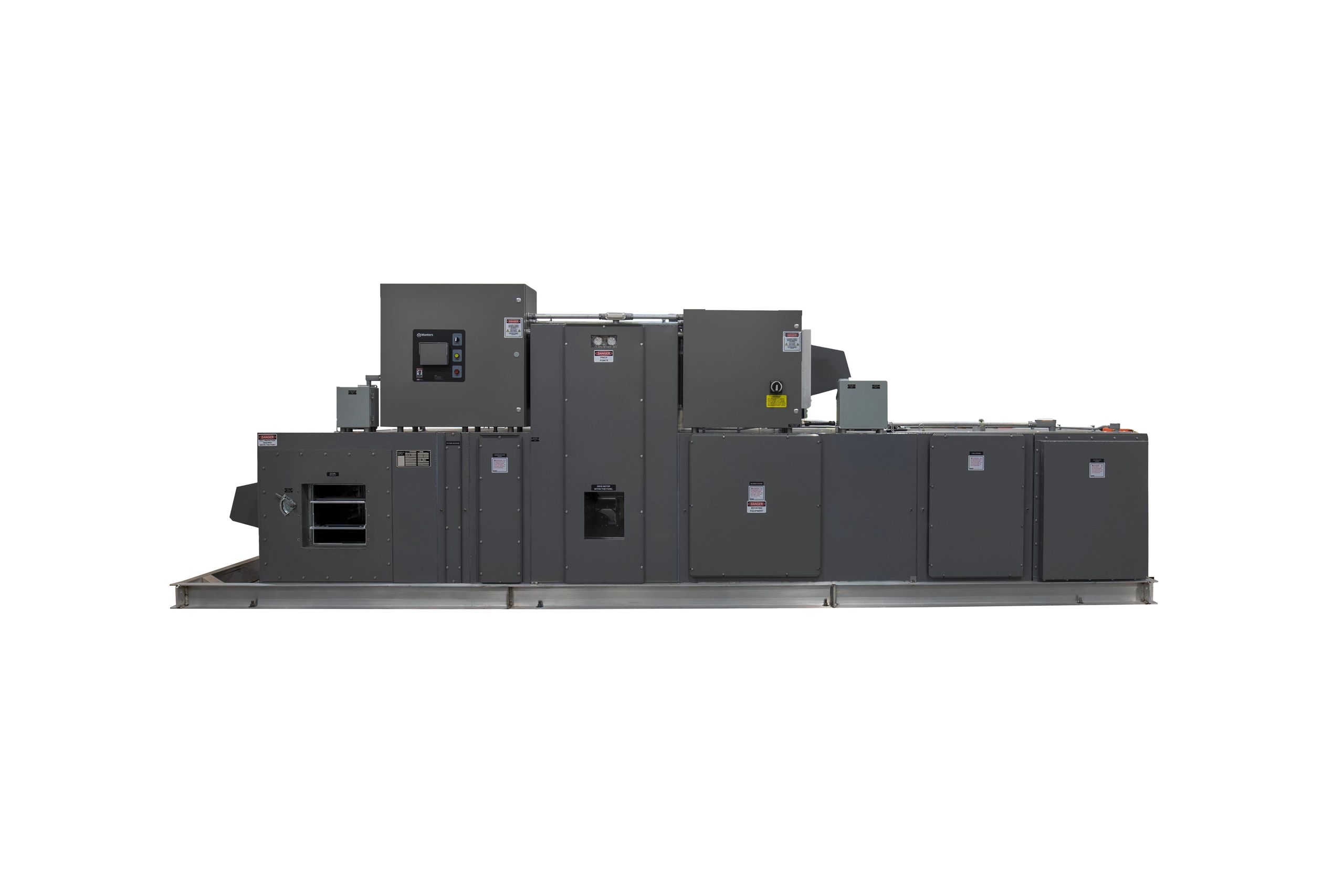
Munters ICA – Desumidificador dessecante
O Munters ICA é um sistema de desumidificação de última geração, ideal para aplicações de processamento de carnes bovinas, suínas e aves. Ele combina tecnologia avançada de dessecante, construção robusta e integração inteligente de sistemas para proporcionar desempenho consistente e operação confiável durante todo o ano.
- Controle total de umidade e temperatura
- Projeto patenteado da roda dessecante HoneyCombe®
- Construção isolada de parede dupla sem estrutura metálica passante
- Sistema Clean-in-Place (CIP) com superfícies lisas e junções de painéis sem emendas

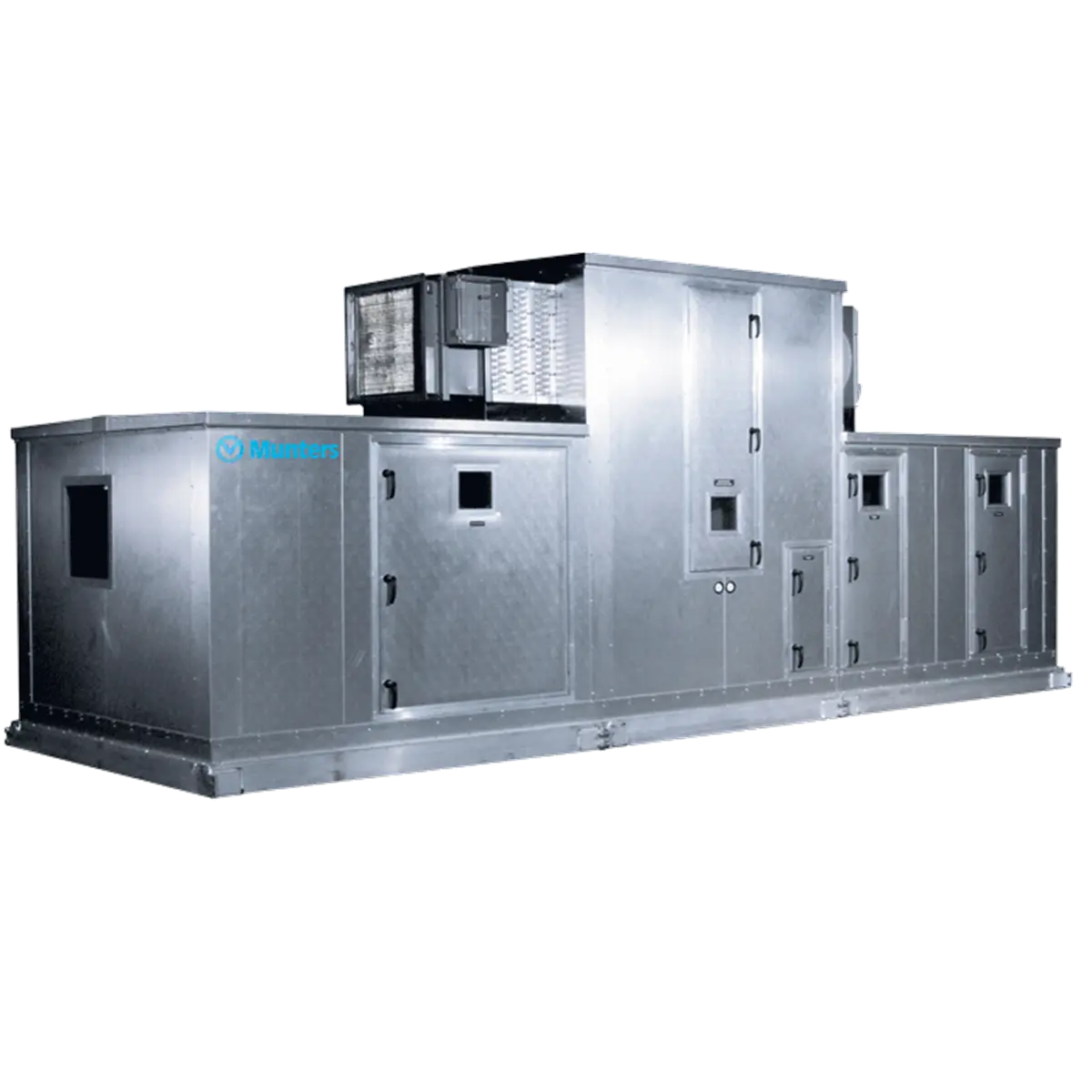
Desumidificador dessecante da série HCD da Munters
O Munters HCD é um desumidificador dessecante autônomo, versátil e econômico. Ele pode ser aprimorado com módulos HCD Plus para fornecer filtragem eficiente do ar, controle preciso de temperatura e mistura avançada de ar para aplicações de processamento e armazenamento de alimentos.
- Construção resistente às intempéries para instalação interna ou externa
- Projeto patenteado da roda HoneyCombe®
- Gabinete de alumínio totalmente soldado e endurecido por deformação
- Instalação, operação e manutenção simplificadas

Produtos recomendados para processadores de carne, suínos e aves



Saiba mais sobre como otimizar o clima no processamento de carne

Prevenindo a propagação de bactérias na indústria de alimentos
Pesquisas identificaram um desafio preocupante nas instalações de processamento de alimentos. Mesmo uma quantidade muito pequena de determinados tipos de bactérias pode causar doenças graves em seres humanos e ter consequências significativas.
Baixe o white paper

The Munters Difference in Meat Processing
Optimized dehumidification prevents condensation, improves productivity, and contributes to enhanced food safety. By effectively controlling humidity levels, you will be able to reduce sanitation cycles and related labor and increase production uptime.
Download the white paper

Suporte durante todo o ciclo de vida pelos especialistas de serviço da Munters
Os sistemas de desumidificação por dessecante da Munters são projetados para as condições exigentes encontradas em instalações de processamento de carnes. Para manter seus equipamentos operando com eficiência e confiabilidade, nossas equipes de serviço oferecem suporte especializado durante todo o ciclo de vida do sistema, desde o comissionamento e a manutenção planejada até verificações de desempenho, peças de reposição e assistência técnica.
Com o suporte de serviço da Munters, os processadores de carnes podem proteger áreas críticas de produção, reduzir o tempo de inatividade, manter a conformidade regulatória e operar com total confiança. Pergunte-nos sobre nossos contratos de serviço personalizados para sua aplicação específica.
Perguntas frequentes sobre o processamento de carne, embutidos, suínos e aves
O controle da umidade evita a condensação, que pode levar ao crescimento de bactérias, à contaminação dos produtos e a riscos de segurança. Ele é essencial para manter os padrões de higiene e a qualidade geral dos produtos em ambientes refrigerados.
Normalmente, manter a umidade relativa entre 40% e 60% ajuda a inibir o crescimento microbiano e reduz os riscos de condensação.
Evitar a condensação e manter a umidade em uma faixa ideal são fatores essenciais para a conformidade com os requisitos de segurança dos alimentos. Muitos microrganismos prosperam em ambientes úmidos. Mesmo mantendo temperaturas baixas, altos níveis de umidade ainda podem favorecer o crescimento de fungos e bactérias. Ao manter a umidade relativa em torno de 40-60%, os desumidificadores Munters ajudam a inibir o crescimento microbiano e podem até reduzir o potencial de transmissão de vírus. Isso significa que não há gotejamento de água sobre a carne ou as embalagens, o que está alinhado com os objetivos regulatórios. Tetos e superfícies secos representam menor risco de Listeria, Salmonella e outros contaminantes. Com os sistemas de desumidificação da Munters, os processadores podem atender às diretrizes USDA/FDA e HACCP com confiança, sabendo que a umidade não está criando ambientes ocultos favoráveis ao desenvolvimento de patógenos.
Com certeza. Uma grande quantidade de tempo produtivo é perdida em plantas de processamento de carnes e aves devido à limpeza e aos ciclos de degelo causados pelo excesso de umidade. As soluções climáticas da Munters enfrentam esse desafio ao secar o ambiente de processamento muito mais rapidamente, reduzindo o tempo necessário para que as áreas estejam prontas para retomar a produção após lavagens ou ciclos de descongelamento. Em vez de os colaboradores passarem horas removendo água dos pisos ou limpando a condensação de estruturas suspensas, um desumidificador Munters elimina essa umidade durante a noite. Isso resulta em ciclos de higienização mais curtos e retomadas mais rápidas da produção entre os turnos. Também significa menos paradas não planejadas, já que há menor necessidade de interromper a produção para lidar com riscos de segurança ou resolver problemas relacionados à contaminação potencial ou danos aos produtos. Controlar a umidade ajuda a manter as linhas de produção operando sem interrupções, reduz o consumo de energia, aumenta a produtividade e melhora a eficiência geral da planta.
As áreas de armazenamento refrigerado no processamento de carnes são altamente suscetíveis a problemas relacionados à umidade. Quando ar quente e úmido entra em uma câmara fria, por exemplo por portas abertas ou durante operações de carga e descarga, ocorre condensação e, posteriormente, congelamento. Isso resulta no acúmulo de gelo e geada em serpentinas, tetos e embalagens dos produtos. Além de criar riscos de escorregamento e dificultar a limpeza, o gelo derretido ou a água acumulada podem gotejar sobre a carne, favorecendo o crescimento de bactérias e aumentando o risco de deterioração dos produtos. A melhor forma de evitar esses problemas é remover a umidade antes que ela entre ou se condense na câmara fria. Os desumidificadores da Munters fazem exatamente isso. Eles secam o ar, evitando a formação de condensação e gelo desde o início. O resultado é um armazenamento refrigerado mais seguro e eficiente, sem gelo nos pisos ou equipamentos, com menos necessidade de ciclos de degelo e com melhor proteção para os produtos refrigerados. As plantas que implementaram sistemas de desumidificação da Munters em suas câmaras frias e congeladores observaram melhorias tanto na qualidade dos produtos quanto na segurança dos colaboradores, além de uma redução das paradas programadas e não programadas.
A Munters combina tecnologia avançada com ampla experiência no setor para fornecer soluções ideais para instalações de processamento de alimentos. Nossa tecnologia de rotor dessecante é considerada o padrão de excelência para desumidificação de alto desempenho, proporcionando os baixos níveis de umidade exigidos pelos processos de carnes e aves com muito mais eficiência do que sistemas HVAC convencionais ou apenas o resfriamento. Os rotores da Munters são projetados de forma exclusiva para adsorver mais água e oferecer desempenho mais consistente do que outras soluções disponíveis no mercado. O resultado é maior eficiência energética, menor espaço ocupado pelos equipamentos e custos operacionais reduzidos. Também entendemos profundamente as necessidades da indústria alimentícia. A Munters possui décadas de experiência e oferece projetos personalizados para se adequar ao layout e aos desafios climáticos de cada planta. Podemos realizar uma avaliação técnica das instalações e desenvolver uma solução sob medida que ajude sua operação a manter a conformidade regulatória, economizar energia e aumentar a produtividade.