

Affugtning til forarbejdning af kød, svinekød og fjerkræ i høj kvalitet
Ukontrolleret luftfugtighed er en trussel mod fødevaresikkerheden
Ved forarbejdning af kød, svinekød, fjerkræ og pølser kan ukontrolleret luftfugtighed hurtigt skabe forhold, der påvirker produktkvalitet og udbytte samt kompromitterer overholdelsen af fødevaresikkerhedsstandarder som USDA og HACCP.
For høje fugtniveauer, f.eks. efter rengøring og manuel tørring, kan føre til kondens på overflader, udstyr og bygningskonstruktioner, hvilket øger risikoen for vækst af bakterier og skimmelsvamp i hygiejnefølsomme produktionsområder. Vanddamp og fugtindtrængning kan også påvirke modning og hærdning af kød, emballering og forarbejdningsprocesser, hvilket kan have indflydelse på produkternes ensartethed og kvalitet.
På kølelager bidrager overskydende fugt til rim- og isdannelse, glatte gulve og problemer med stregkodescanning, hvilket påvirker sikker færden og den daglige håndtering.
Ukontrolleret luftfugtighed er ikke blot en ulempe, men en direkte trussel mod fødevaresikkerheden, driftssikkerheden og et sikkert arbejdsmiljø.
Uden affugtning risikerer du:
- Kondens på produkter, hvilket kan føre til kontaminering.
- Ekstra rengøring som følge af overskydende fugt efter vask.
- Produkttab som følge af beskæring og fordærv.
- Hyppigere afrimning og vedligeholdelse på kølelager.
- Øget energiforbrug og mere nedetid.

"Efter installationen af affugtningsudstyret har vi ikke længere haft behov for at hænge plastik op eller have de sædvanlige to medarbejdere pr. skift til at kontrollere kondens. Vi behøver ikke at tørre lofterne om morgenen efter rengøring og desinfektion. Vi vil bruge denne teknologi fremover til at hjælpe med at eliminere kondens."
Mike Hanson, Complex Manager
Tyson Foods
Udfordringer forårsaget af overskydende fugt i kødforarbejdning
Overskydende fugt bør undgås i anlæg til forarbejdning af kød, pølser, svinekød og fjerkræ for at forhindre tågedannelse og sikre overholdelse af hygiejnestandarder.

Hyppig rengøring er en udfordring i kødforarbejdning
Kødforarbejdningsanlæg kræver store mængder vand til rengøring. Når fugt og kondens ikke kontrolleres, kan producenter opleve forsinkede produktionsopstarter efter rengøring og desinfektion, ekstra manuel aftørring samt uplanlagte produktionsstop. Ved brug af affugtning oplever vores kunder ofte, at tørretiden efter rengøring reduceres med omkring 40 %, for eksempel fra 5 til 3 timer.

Mikrobiel vækst og compliance
Skimmelsvamp og bakterier trives i de fugtige forhold, der findes i kødforarbejdningsanlæg. Når den relative luftfugtighed overstiger 70 %, er den mikrobielle vækst mere end 22 gange højere end ved en luftfugtighed på 50 %. For at overholde USDA- og HACCP-krav skal kondens kontrolleres for at forhindre bakterievækst og kontaminering af fødevarer.

Produktkvalitet, ensartethed og spild
Kødets kvalitet kan forringes af overskydende fugt, som kan forårsage kondens, fordærv og et uensartet produktudseende. Dette gælder gennem hele produktionsprocessen, herunder under emballering. Effektiv kontrol af luftfugtigheden bidrager til at reducere spild, forlænge holdbarheden og sikre produkter af ensartet høj kvalitet.
Sorptionsaffugtning til forarbejdning af kød, svinekød og fjerkræ
For at kontrollere luftfugtigheden er affugtning afgørende gennem hele kødforarbejdningskæden. Munters energieffektive sorptionsaffugtere hjælper virksomheder inden for forarbejdning af kød, svinekød og fjerkræ med at forbedre hygiejnen, beskytte produktkvaliteten, reducere spild og sikre driftseffektivitet i alle produktionsfaser.
- Forbedr overholdelsen af fødevaresikkerhedskrav i HACCP-klargjorte miljøer.
- Øg produktionstiden med færre afbrydelser.
- Reducer produkttab og behovet for omarbejdning.
- Forkort rengørings- og afrimningscyklusser.
- Forbedr arbejdssikkerheden og arbejdsforholdene.
- Reducer energiforbruget og driftsomkostningerne.
Humidity control across the meat processing chain...

1. Slaughter and primary processing
Prevent condensation on ceilings and equipment all year round to improve hygiene and reduce contamination risk in slaughter houses and abattoirs.

2. Cutting and deboning halls
Maintain stable RH to reduce microbial growth and improve operator comfort and productivity.

3. Chilled processing areas
Eliminate condensation at low temperatures and reduce sanitation time between shifts.
...ensures perfect products and operational efficiency
4. Cold storage and blast freezers
Prevent frost build-up on coils and ceilings and educe defrost cycles and energy use.
5. Meat maturation and dry aging
Control humidity to manage fungal growth and reduce trimming loss and ensure consistent quality.
6. Packaging areas
Protect products from contamination and maintain hygiene during final handling.
7. Sanitation and washdown recovery
Dry rooms quickly after cleaning to minimise downtime and avoid microbial growth.
Er du klar til at optimere dit kød- eller fjerkræforarbejdningsanlæg i dag?
Udvalgte løsninger, der er ideelle til din kødforarbejdningsvirksomhed
MX3 – Sorptionsaffugter til kødproduktion
Leder du efter en mellemstor affugter til din kødproduktionsvirksomhed? Munters MX3 kan være den løsning, du søger. Det er en højtydende sorptionsaffugter, udviklet til de mest krævende anvendelser. Med 15-20 % forbedret energieffektivitet sammenlignet med den tidligere model kombinerer MX3 høj affugtningskapacitet og reduceret energiforbrug i et kompakt og korrosionsbestandigt design.
MX3 er ideel til opskærings- og forarbejdningsområder, hvor der stilles krav om præcis og energieffektiv fugtstyring. Den kan installeres som en selvstændig affugter eller som kernen i den meget fleksible luftbehandlingsløsning MX3 PLUS. Den avancerede sorptionsrotorteknologi sikrer lang levetid, høj fugtabsorberingskapacitet samt energieffektiv styring af luftfugtighed og temperatur, hvilket giver pålidelig og ensartet ydeevne over tid.
DSS Pro – Fugtstyring til store kødproduktionsanlæg
Leder du efter en affugter til store kødproduktionsanlæg? Så kan Munters DSS Pro-serie være den rette løsning. Produktion af kød, svinekød og fjerkræ kræver præcis fugtkontrol døgnet rundt for at sikre overholdelse af HACCP-kravene. Sorptionsaffugtning sikrer stabile resultater med høj ydeevne og minimalt spild. Opnå energibesparelser på op til 30 % med Munters DSS Pro- eller DSS Pro SE-affugtere.
Munters DSS Pro er en fuldt integreret, modulopbygget luftbehandlingsløsning til præcis styring af temperatur og luftfugtighed i de mest krævende industrielle applikationer. De meget fleksible moduler til for- og/eller efterbehandling leveres formonterede, fabriksafprøvede og klar til drift.
DSS Pro SE bygger på den samme dokumenterede modulære teknologi og er en forenklet version af DSS Pro, hvor de vigtigste komponenter er samlet i en kompakt enhed.

Anbefalede produkter til producenter af kød, svinekød og fjerkræ


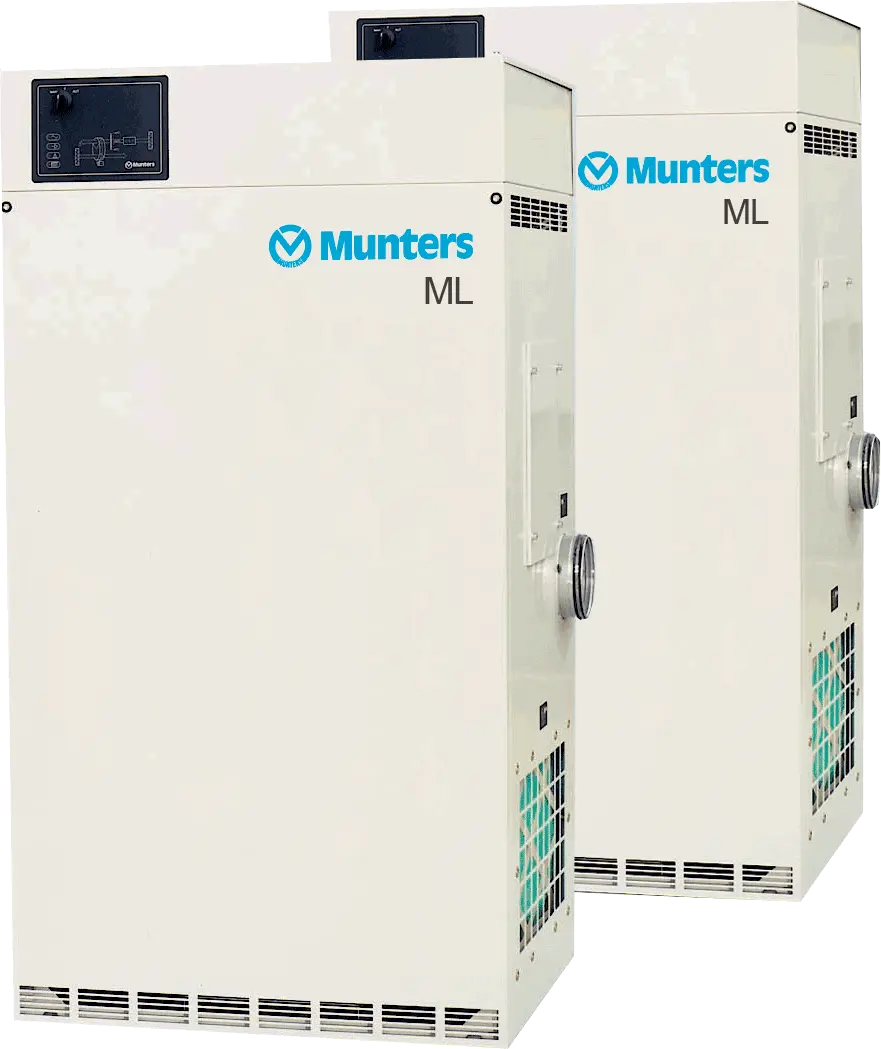




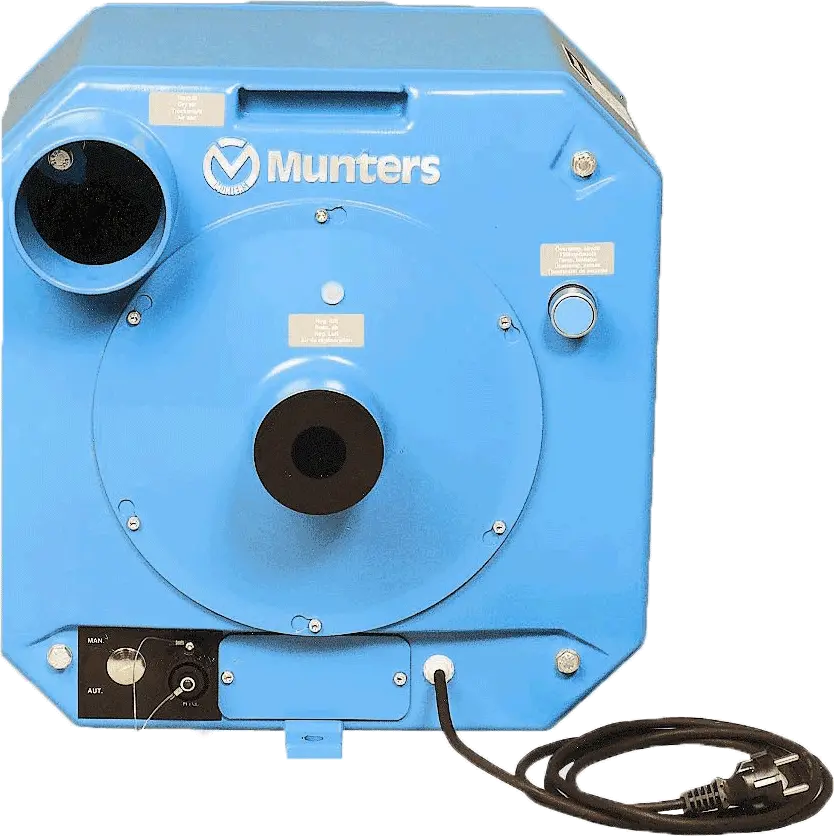


Læs mere om optimering af klimaet i kødforarbejdning

Forebyggelse af spredning af bakterier i fødevareindustrien
Forskning har identificeret en alvorlig udfordring i fødevareforarbejdningsanlæg. Selv meget små mængder af visse typer bakterier kan forårsage alvorlig sygdom hos mennesker og få alvorlige konsekvenser.
Download white paper

Affugtningens rolle i din HACCP-plan
Kødforarbejdningsanlæg kan blive udfordret af ukontrolleret luftfugtighed, hvilket kan påvirke både produktionen og HACCP-processerne. Ved at integrere sorptionsaffugtning i din virksomhed kan fødevaresikkerheden forbedres markant gennem reduktion af kondens. En grundig risikovurdering bør inkludere fugtstyring som en del af HACCP-planen for at undgå, at kondens drypper ned på animalske produkter.
Læs brochuren

Livscyklussupport fra Munters' serviceeksperter
Munters' sorptionsaffugtningssystemer er konstrueret til de krævende forhold, der findes i kødforarbejdningsanlæg. For at sikre, at dit udstyr fungerer effektivt og pålideligt, tilbyder vores serviceteams ekspertstøtte gennem hele systemets livscyklus, fra support ved idriftsættelse og planlagt vedligeholdelse til ydelseskontrol, reservedele og teknisk assistance.
Med service fra Munters kan kødproducenter beskytte kritiske produktionsområder, reducere nedetid, opretholde overholdelse af myndighedskrav og sikre en stabil og pålidelig drift. Spørg os om vores skræddersyede serviceaftaler, der er tilpasset netop din applikation.
Ofte stillede spørgsmål om forarbejdning af kød, pølser, svinekød og fjerkræ
ugtstyring forhindrer kondens, som kan føre til bakterievækst, produktkontaminering og sikkerhedsrisici. Det er afgørende for at opretholde hygiejnestandarder og en høj produktkvalitet i kølede miljøer.
Som udgangspunkt hjælper en relativ luftfugtighed på mellem 40 % og 60 % med at hæmme mikrobiel vækst og reducere risikoen for kondens.
Forebyggelse af kondens og opretholdelse af luftfugtigheden inden for et optimalt niveau er afgørende for at overholde fødevaresikkerhedskrav. Mange mikroorganismer trives i fugtige miljøer. Selvom temperaturen holdes lav, kan et højt fugtniveau stadig skabe gode vækstbetingelser for skimmelsvamp og bakterier. Ved at opretholde en relativ luftfugtighed på omkring 40-60 % RH hjælper Munters' affugtere med at hæmme mikrobiel vækst og kan samtidig reducere risikoen for virusspredning.
Absolut. I mange kød- og fjerkræforarbejdningsanlæg går der betydelig produktionstid tabt på grund af rengøring og afrimning som følge af overskydende fugt. Munters' klimaløsninger løser dette ved at tørre produktionsmiljøet langt hurtigere, så der bruges mindre tid på at vente, før lokalerne er klar til produktion efter rengøring eller afrimningscyklusser. I stedet for at medarbejdere bruger timer på at skrabe vand væk fra gulve eller tørre kondens af lofter og overliggende konstruktioner, fjerner en Munters-affugter fugten i løbet af natten. Det giver kortere rengørings- og sanitationscyklusser samt hurtigere genstart af produktionen efter skifteholdsskift. Det betyder også færre uplanlagte driftsstop, da der er mindre behov for at afbryde produktionen for at håndtere sikkerhedsrisici eller potentielle problemer med kontaminering og produktskader. Ved at kontrollere luftfugtigheden kan du holde produktionslinjerne kørende mere stabilt, reducere energiforbruget, øge gennemløbet og forbedre anlæggets samlede effektivitet.
Kølelagerområder i kødforarbejdning er særligt udsatte for fugtrelaterede udfordringer. Når varm og fugtig luft trænger ind i et kølerum, eksempelvis gennem åbne døre eller under lastning, kondenserer den og kan fryse til is. Dette fører til opbygning af rim og is på køleflader, lofter og produktemballage. Det skaber ikke blot risiko for glatte gulve og gør rengøringen mere krævende, men smeltende is eller vandansamlinger kan også dryppe ned på kødet og føre til bakterievækst og risiko for fordærv. Den bedste måde at undgå disse problemer på er at fjerne fugten, før den trænger ind i eller kondenserer i kølerummet. Munters-affugtere gør netop dette ved at tørre luften og dermed forebygge kondens- og isdannelse fra starten. Resultatet er et sikrere og mere effektivt kølelager uden is på gulve og udstyr, mindre behov for afrimning og bedre beskyttelse af dine kølede produkter. Virksomheder, der har installeret Munters-affugtning i deres køle- og fryserum, oplever ofte forbedret produktkvalitet og øget medarbejdersikkerhed samt færre planlagte og uplanlagte driftsstop.
Munters kombinerer avanceret teknologi med dyb brancheekspertise for at levere optimale løsninger til fødevareforarbejdningsindustrien. Vores sorptionsrotorteknologi anses som standarden for højtydende affugtning og kan opnå de lave luftfugtighedsniveauer, som kød- og fjerkræproduktion kræver, langt mere effektivt end traditionelle HVAC- eller køleløsninger alene. Munters' rotorer er udviklet til at absorbere mere fugt og levere en mere ensartet ydeevne end alternative løsninger. Det giver højere energieffektivitet, et mindre installationsaftryk og lavere driftsomkostninger. Vi forstår desuden fødevareindustriens behov. Munters har årtiers erfaring og tilbyder skræddersyede løsninger, der tager højde for det enkelte anlægs indretning og klimamæssige udfordringer. Vi kan gennemføre en analyse af dit anlæg og udvikle en tilpasset løsning, der hjælper dig med at overholde krav og standarder, reducere energiforbruget og øge produktionskapaciteten.