

Deshumidificación para el procesamiento de carne, cerdo y aves de alta calidad
La humedad no controlada es una amenaza para la seguridad alimentaria
En el procesamiento de carne, cerdo, aves y embutidos, la humedad no controlada puede crear rápidamente condiciones que afectan a la calidad y al rendimiento del producto, además de comprometer el cumplimiento de normas de seguridad alimentaria como USDA y HACCP.
Los niveles excesivos de humedad, por ejemplo después de los procesos de lavado y secado manual, pueden provocar condensación en superficies, equipos y estructuras del edificio, aumentando el riesgo de proliferación de bacterias y moho en áreas de producción sensibles desde el punto de vista higiénico.
El vapor de agua y la infiltración de humedad también pueden afectar los procesos de curado y maduración de la carne, el envasado y otras operaciones de procesamiento, comprometiendo la consistencia y la calidad del producto.
En las cámaras frigoríficas, el exceso de humedad contribuye a la formación de escarcha y hielo, suelos resbaladizos y problemas de lectura de códigos de barras, lo que afecta la seguridad y las operaciones diarias.
La humedad no controlada no es solo una molestia, sino una amenaza directa para la seguridad alimentaria, la fiabilidad operativa y la seguridad en el lugar de trabajo.
Sin deshumidificación, corre el riesgo de:
- Condensación en los productos, lo que puede provocar contaminación.
- Limpieza adicional debido al exceso de humedad después del lavado.
- Pérdidas de producto por recortes y deterioro.
- Desescarches y mantenimiento más frecuentes en las cámaras frigoríficas.
- Mayor consumo energético y más tiempo de inactividad.

"Desde la instalación del equipo de deshumidificación, ya no hemos tenido que colgar láminas de plástico ni contar con las dos personas habituales por turno para controlar la condensación. Tampoco necesitamos secar los techos por la mañana después de la limpieza y desinfección. Seguiremos utilizando esta tecnología en el futuro para ayudar a eliminar la condensación."
Mike Hanson, Complex Manager
Tyson Foods
Retos causados por el exceso de humedad en el procesamiento de carne
La humedad excesiva debe evitarse en las instalaciones de procesamiento de carne, embutidos, cerdo y aves para prevenir la formación de niebla y garantizar el cumplimiento de los estándares de higiene.

La limpieza frecuente es un desafío en el procesamiento de carne
Las instalaciones de procesamiento de carne requieren grandes cantidades de agua para la limpieza. Cuando la humedad y la condensación no se controlan, los productores pueden experimentar retrasos en la reanudación de la producción tras las tareas de limpieza y desinfección, mayores necesidades de secado manual y paradas imprevistas. Gracias a la deshumidificación, nuestros clientes suelen reducir el tiempo de secado después de la limpieza en aproximadamente un 40 %, por ejemplo, de 5 a 3 horas.

Crecimiento microbiano y cumplimiento normativo
Los mohos y las bacterias prosperan en las condiciones húmedas presentes en las plantas de procesamiento de carne. Cuando la humedad relativa supera el 70 %, el crecimiento microbiano es más de 22 veces superior al registrado con una humedad relativa del 50 %. Para cumplir los requisitos de USDA y HACCP, es necesario controlar la condensación a fin de evitar el crecimiento bacteriano y la contaminación de los alimentos.

Calidad del producto, consistencia y desperdicio
La calidad de la carne puede verse afectada por el exceso de humedad, que puede provocar condensación, deterioro y una apariencia inconsistente del producto. Esto ocurre a lo largo de todo el proceso de producción, incluida la fase de envasado. Un control eficaz de la humedad ayuda a reducir el desperdicio, prolongar la vida útil y garantizar una calidad elevada y constante de los productos.
Deshumidificación por adsorción para el procesamiento de carne, cerdo y aves
Para controlar la humedad, la deshumidificación es esencial a lo largo de toda la cadena de procesamiento de la carne. Los deshumidificadores por adsorción de alta eficiencia energética de Munters ayudan a los procesadores de carne, cerdo y aves a mejorar la higiene, proteger la calidad del producto, reducir el desperdicio y garantizar la eficiencia operativa en cada etapa del proceso.
- Mejorar el cumplimiento de los requisitos de seguridad alimentaria en entornos preparados para HACCP.
- Incrementar el tiempo operativo de producción con menos interrupciones.
- Reducir las pérdidas de producto y la necesidad de reprocesamiento.
- Acortar los ciclos de limpieza y desescarche.
- Mejorar la seguridad y las condiciones de trabajo.
- Reducir el consumo energético y los costes operativos.
Humidity control across the meat processing chain...

1. Slaughter and primary processing
Prevent condensation on ceilings and equipment all year round to improve hygiene and reduce contamination risk in slaughter houses and abattoirs.

2. Cutting and deboning halls
Maintain stable RH to reduce microbial growth and improve operator comfort and productivity.

3. Chilled processing areas
Eliminate condensation at low temperatures and reduce sanitation time between shifts.
...ensures perfect products and operational efficiency
4. Cold storage and blast freezers
Prevent frost build-up on coils and ceilings and educe defrost cycles and energy use.
5. Meat maturation and dry aging
Control humidity to manage fungal growth and reduce trimming loss and ensure consistent quality.
6. Packaging areas
Protect products from contamination and maintain hygiene during final handling.
7. Sanitation and washdown recovery
Dry rooms quickly after cleaning to minimise downtime and avoid microbial growth.
¿Está listo para optimizar hoy mismo su planta de procesamiento de carne o aves?
Soluciones destacadas ideales para su instalación de procesamiento de carne
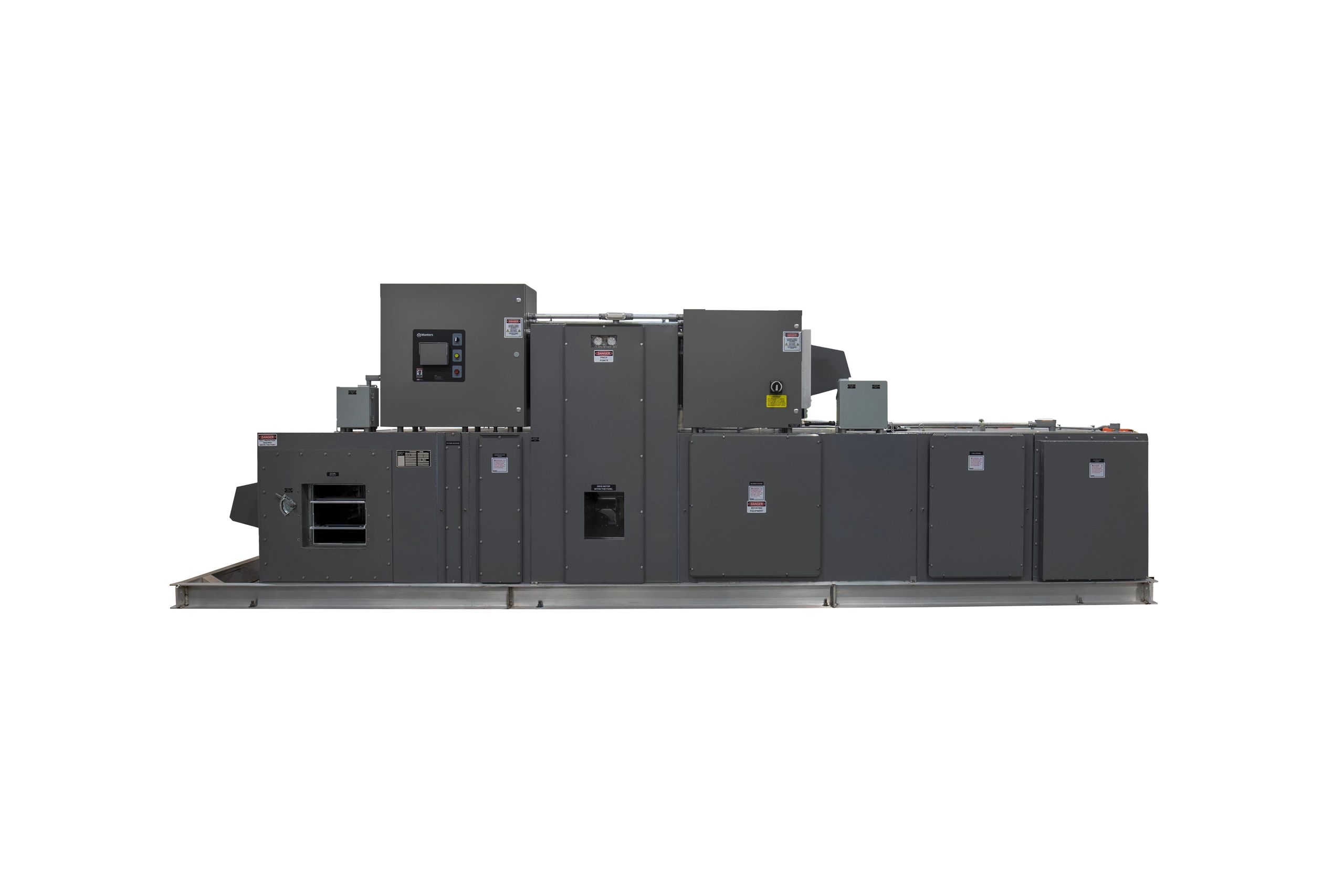
Deshumidificador por adsorción Munters ICA
Munters ICA es un avanzado sistema de deshumidificación ideal para aplicaciones de procesamiento de carne, cerdo y aves. El sistema combina tecnología avanzada de adsorción, una construcción robusta e integración inteligente de sistemas para ofrecer un rendimiento uniforme y un funcionamiento fiable durante todo el año.
- Control total de la humedad y la temperatura.
- Diseño patentado del rotor desecante HoneyCombe®.
- Construcción aislada de doble pared sin estructura metálica pasante.
- Sistema Clean-in-Place (CIP) con superficies lisas y uniones de paneles sin juntas visibles.

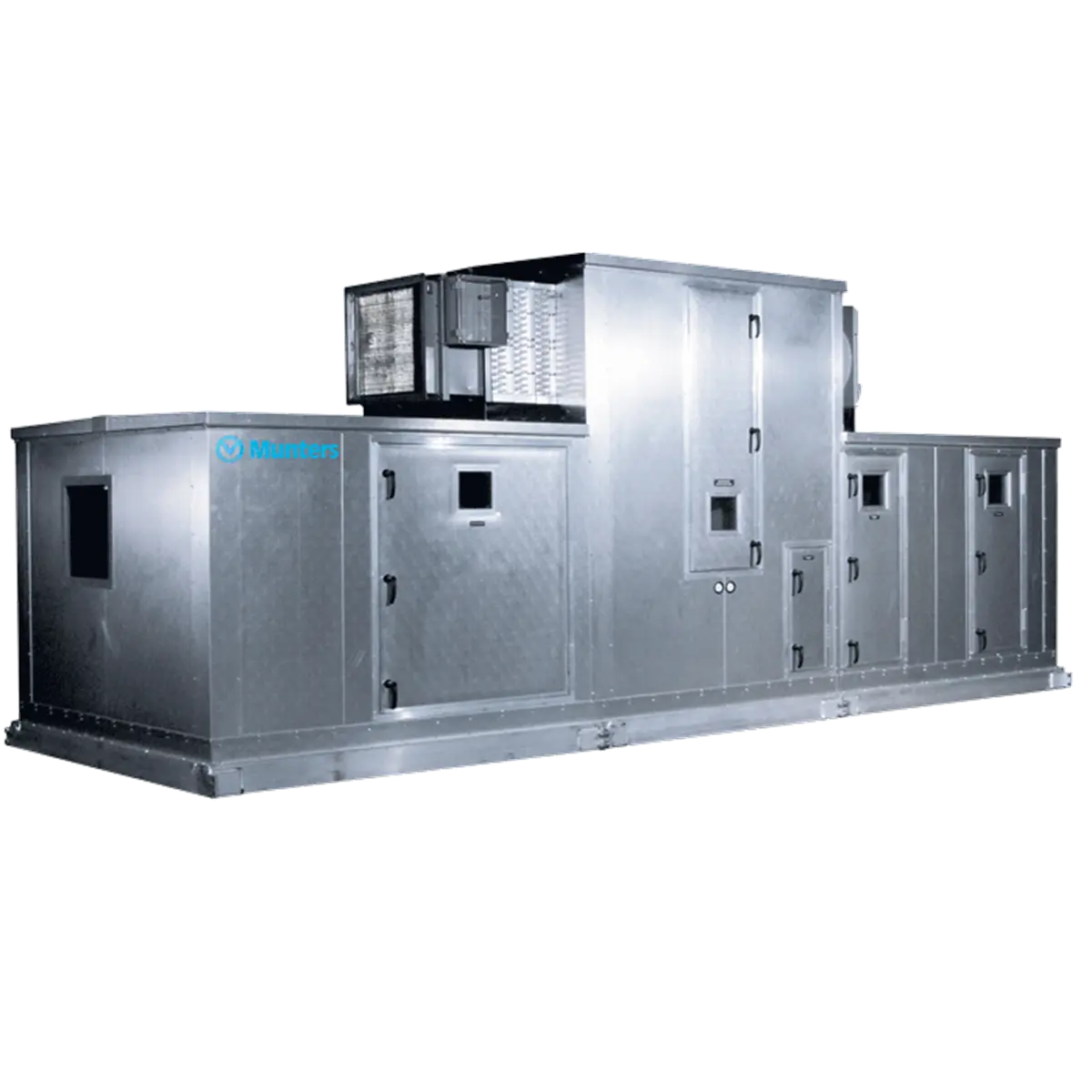
Deshumidificador por adsorción de la serie HCD de Munters
El Munters HCD es un deshumidificador por adsorción autónomo, versátil y rentable. Puede ampliarse con módulos HCD Plus que proporcionan una filtración de aire eficiente, un control preciso de la temperatura y una mezcla avanzada del aire para aplicaciones de producción y almacenamiento de alimentos.
- Construcción resistente a la intemperie para instalación en interiores o exteriores.
- Diseño patentado del rotor HoneyCombe®.
- Carcasa de aluminio endurecido totalmente soldada.
- Instalación, funcionamiento y mantenimiento sencillos.

Productos recomendados para productores de carne, cerdo y aves



Más información sobre la optimización del clima en el procesamiento de carne

Prevención de la propagación de bacterias en la industria alimentaria
La investigación ha identificado un grave desafío en las plantas de procesamiento de alimentos. Incluso cantidades muy pequeñas de ciertos tipos de bacterias pueden causar enfermedades graves en las personas y tener consecuencias importantes.
Descargar el libro blanco

The Munters Difference in Meat Processing
Optimized dehumidification prevents condensation, improves productivity, and contributes to enhanced food safety. By effectively controlling humidity levels, you will be able to reduce sanitation cycles and related labor and increase production uptime.
Download the white paper

Soporte durante todo el ciclo de vida por parte de los expertos de servicio de Munters
Los sistemas de deshumidificación por adsorción de Munters están diseñados para las exigentes condiciones existentes en las instalaciones de procesamiento de carne. Para garantizar que los equipos funcionen de forma eficiente y fiable, nuestros equipos de servicio ofrecen soporte especializado durante todo el ciclo de vida del sistema, desde la puesta en marcha y el mantenimiento planificado hasta las comprobaciones de rendimiento, el suministro de repuestos y la asistencia técnica.
Con el soporte de servicio de Munters, los productores de carne pueden proteger áreas críticas de producción, reducir tiempos de inactividad, mantener el cumplimiento normativo y garantizar operaciones seguras y fiables. Pregúntenos por nuestros contratos de servicio personalizados para su aplicación específica.
Preguntas frecuentes sobre el procesamiento de carne, embutidos, cerdo y aves
El control de la humedad evita la condensación, que puede provocar crecimiento bacteriano, contaminación de los productos y riesgos de seguridad. Es fundamental para mantener los estándares de higiene y una alta calidad del producto en entornos refrigerados.
Como regla general, mantener una humedad relativa entre el 40 % y el 60 % ayuda a inhibir el crecimiento microbiano y a reducir el riesgo de condensación.
Prevenir la condensación y mantener la humedad dentro de un rango óptimo es esencial para cumplir con los requisitos de seguridad alimentaria. Muchos microorganismos prosperan en ambientes húmedos. Incluso si la temperatura se mantiene baja, un alto nivel de humedad puede seguir favoreciendo el crecimiento de moho y bacterias. Al mantener una humedad relativa de aproximadamente entre el 40 % y el 60 %, los deshumidificadores de Munters ayudan a inhibir el crecimiento microbiano y pueden contribuir a reducir el riesgo de transmisión de virus. Esto significa que no se forman gotas de agua sobre la carne ni sobre los envases, favoreciendo el cumplimiento de las normativas y estándares de seguridad alimentaria. Los techos y superficies secos reducen el riesgo de contaminación por Listeria, Salmonella y otros microorganismos no deseados. Con las soluciones de deshumidificación de Munters, los productores pueden cumplir con las directrices USDA, FDA y HACCP con la tranquilidad de que la humedad no está creando focos ocultos de proliferación de patógenos.
Absolutamente. En muchas instalaciones de procesamiento de carne y aves se pierde una cantidad considerable de tiempo de producción debido a la limpieza y los ciclos de desescarche provocados por el exceso de humedad. Las soluciones climáticas de Munters resuelven este problema secando el ambiente de producción mucho más rápidamente, reduciendo el tiempo de espera hasta que las instalaciones vuelvan a estar listas para la producción. En lugar de dedicar horas a retirar agua de los suelos o eliminar la condensación de techos y estructuras superiores, un deshumidificador Munters elimina esa humedad durante la noche. Esto se traduce en ciclos de limpieza y saneamiento más cortos y en una reanudación más rápida de la producción. También implica menos paradas no planificadas, ya que disminuye la necesidad de interrumpir la producción para abordar riesgos de seguridad o posibles problemas de contaminación y daños en los productos. Al controlar la humedad, las líneas de producción funcionan de forma más estable, se reduce el consumo energético, aumenta el rendimiento y mejora la eficiencia global de la planta.
Las áreas de almacenamiento refrigerado son especialmente vulnerables a los problemas relacionados con la humedad. Cuando el aire cálido y húmedo entra en una cámara frigorífica, por ejemplo a través de puertas abiertas o durante las operaciones de carga, se condensa y puede congelarse. Esto provoca la acumulación de escarcha y hielo en evaporadores, techos y envases de productos. Esto no solo aumenta el riesgo de resbalones y dificulta la limpieza, sino que también puede hacer que el agua procedente del deshielo gotee sobre la carne, favoreciendo el crecimiento bacteriano y el deterioro del producto. La mejor manera de evitar estos problemas es eliminar la humedad antes de que entre o se condense en la cámara frigorífica. Los deshumidificadores Munters hacen exactamente eso al secar el aire y evitar desde el principio la formación de condensación y hielo. El resultado es una instalación frigorífica más segura y eficiente, con menos hielo en los suelos y equipos, menor necesidad de desescarche y una mejor protección de los productos refrigerados. Las empresas que han instalado sistemas de deshumidificación Munters suelen experimentar una mejora en la calidad del producto, un aumento de la seguridad de los empleados y una reducción de las paradas planificadas y no planificadas.
Munters combina tecnología avanzada con una amplia experiencia en el sector para ofrecer soluciones óptimas para la industria alimentaria. Nuestra tecnología de rotor desecante se considera el estándar de referencia en deshumidificación de alto rendimiento y permite alcanzar los bajos niveles de humedad requeridos en la producción de carne y aves con mucha más eficiencia que los sistemas HVAC o de refrigeración convencionales por sí solos. Los rotores de Munters están diseñados para absorber más humedad y ofrecer un rendimiento más uniforme que las soluciones alternativas. Esto se traduce en una mayor eficiencia energética, una menor huella de instalación y unos costes operativos más bajos. Además, comprendemos las necesidades de la industria alimentaria. Munters cuenta con décadas de experiencia y ofrece soluciones personalizadas adaptadas al diseño y a los retos climáticos específicos de cada instalación. Podemos realizar un análisis de su planta y desarrollar una solución a medida que le ayude a cumplir requisitos y normativas, reducir el consumo energético y aumentar la capacidad de producción.