

Efficient humidity control for museums and art galleries
Fluctuations in humidity pose significant risks to your collections
Museums and galleries tell the story of history and culture, showcasing artifacts and collections from years past. Whether it's a renowned national museum, a small art gallery, or a temporary exhibition, the items on display or stored in the archives are at risk of damage from humidity in the ambient air.
Controlling humidity is critical when trying to preserve and extend the life of artifacts, collections, and artworks. Exposure to high, low, or fluctuating relative humidity levels pose a risk to most materials. Excessive humidity encourages the growth of mold and fungi, which can damage valuable assets. Additionally, incorrect climate conditions may lead to corrosion of metals, compromising the integrity and appearance of items. As well as too much moisture, too little humidity can cause some materials such as leather and clay to become brittle and fragile.
With uncontrolled humidity you risk:
- Irreversible damage to invaluable artifacts and artworks
- Compliance issues for regulations for collection management and conservation
- Increased heating and energy use to control moisture
- Total loss of items of historical importance
- Uncomfortable climate conditions for people

”Today we have the DSS Pro system from Munters and sensors in all rooms measuring temperature, humidity and CO2 levels. The system adapts based on the number of visitors. The system operates smartly, combining dehumidification and fresh air. We are very satisfied.”
Christian Løwe, Facility Manager
Carlsberg
Different materials require different humidity levels
Maintaining stable relative humidity levels all year-round helps protect irreplaceable collections. Relative humidity below 50% typically preserves items such as artwork, leaving them unaffected by moisture levels in the air.
Both excessively dry and overly humid air can affect museum collections: dry air removes moisture from objects, possibly causing them to contract and deteriorate, while humid air promotes swelling and mold growth. It’s therefore important to understand the material type. Below are typical “comfort zones” for different materials often found in a museum setting. Maintaining stable relative humidity - typically between 45% and 55% - will preserve artifacts and prevent environmental damage.
Optimal humidity range for museum materials for preservation:
- Paper: 18-21°C, 30-50% RH
- Metals: Below 40% RH
- Archeological artefacts like textiles: 30-60% RH
- Acetate film: 2°C, 30-40% RH
- Nitrate-based film: 2°C, 20-30% RH
- Pottery / clay / leather: 40-55% RH

Desiccant dehumidification and humidification for optimal museum climate control
Munters dehumidification and humidification solutions effectively maintain humidity at an optimal level, providing long-term protection for valuable collections as well as improving people comfort and energy efficiency.
Industrial dehumidification removes moisture and maintains a stable relative humidity level indoors, independent of the weather outdoors. Instead of reacting to condensation, mold, corrosion, or frost, afterwards, a proper desiccant dehumidification system prevents them from happening in the first place.
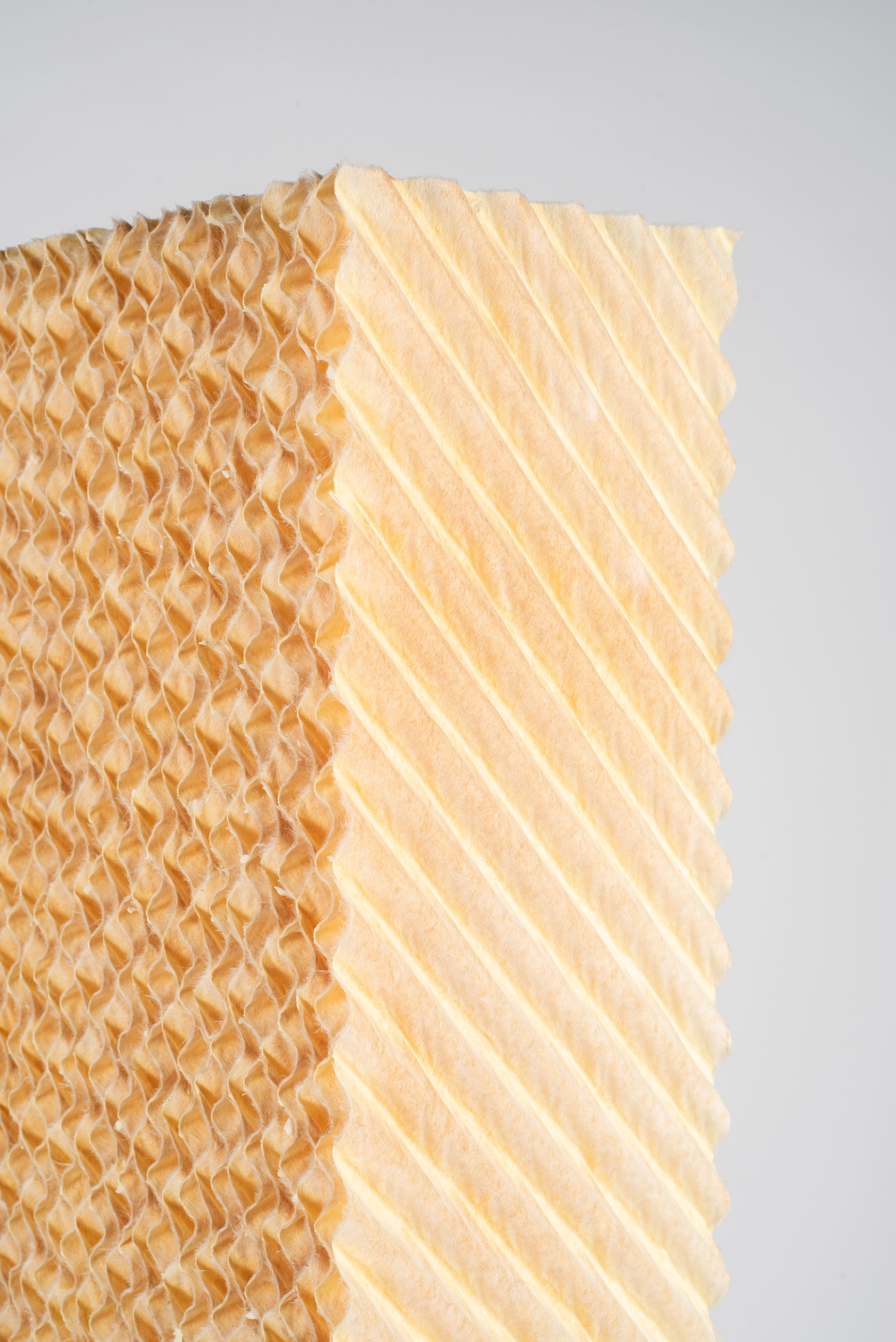
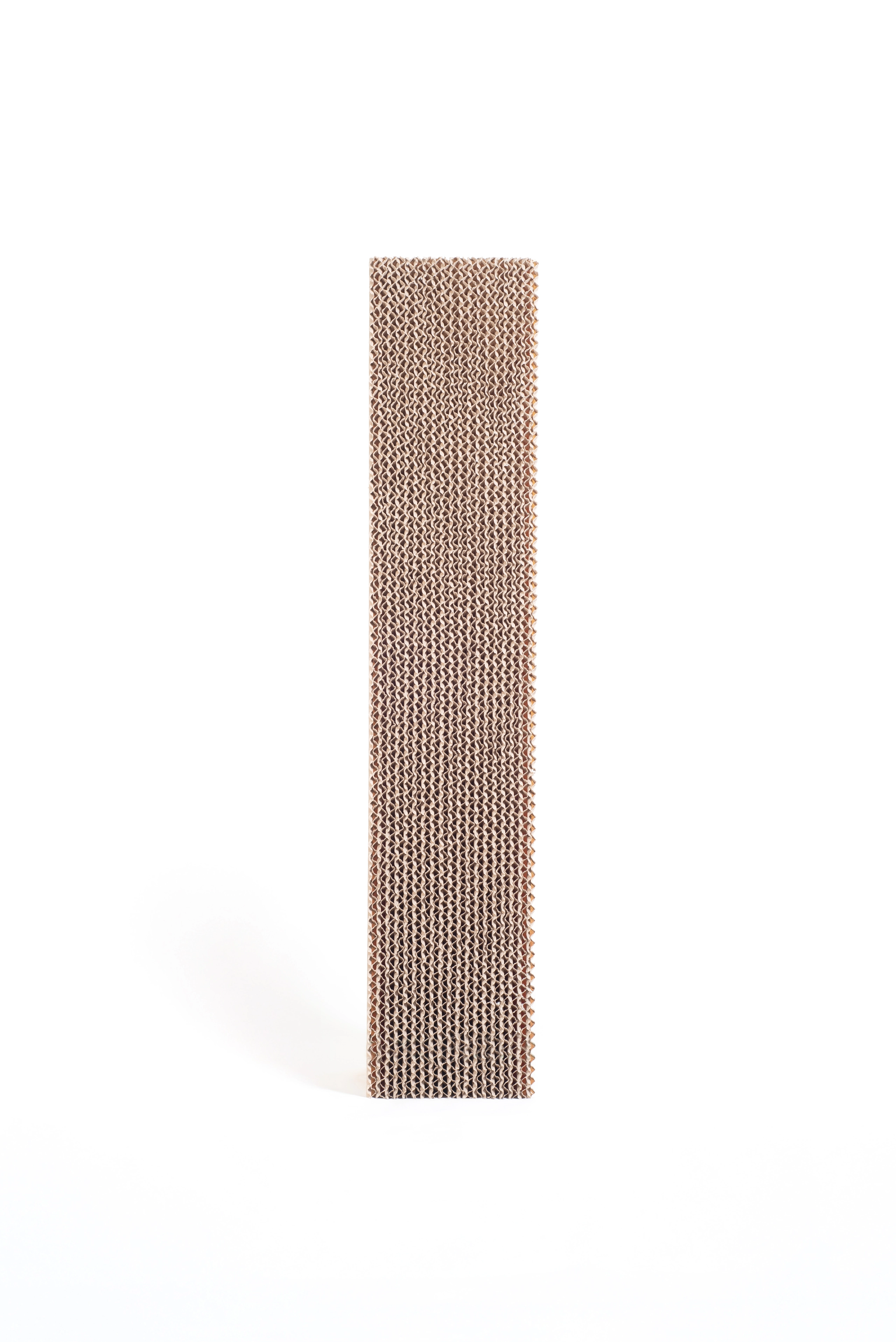
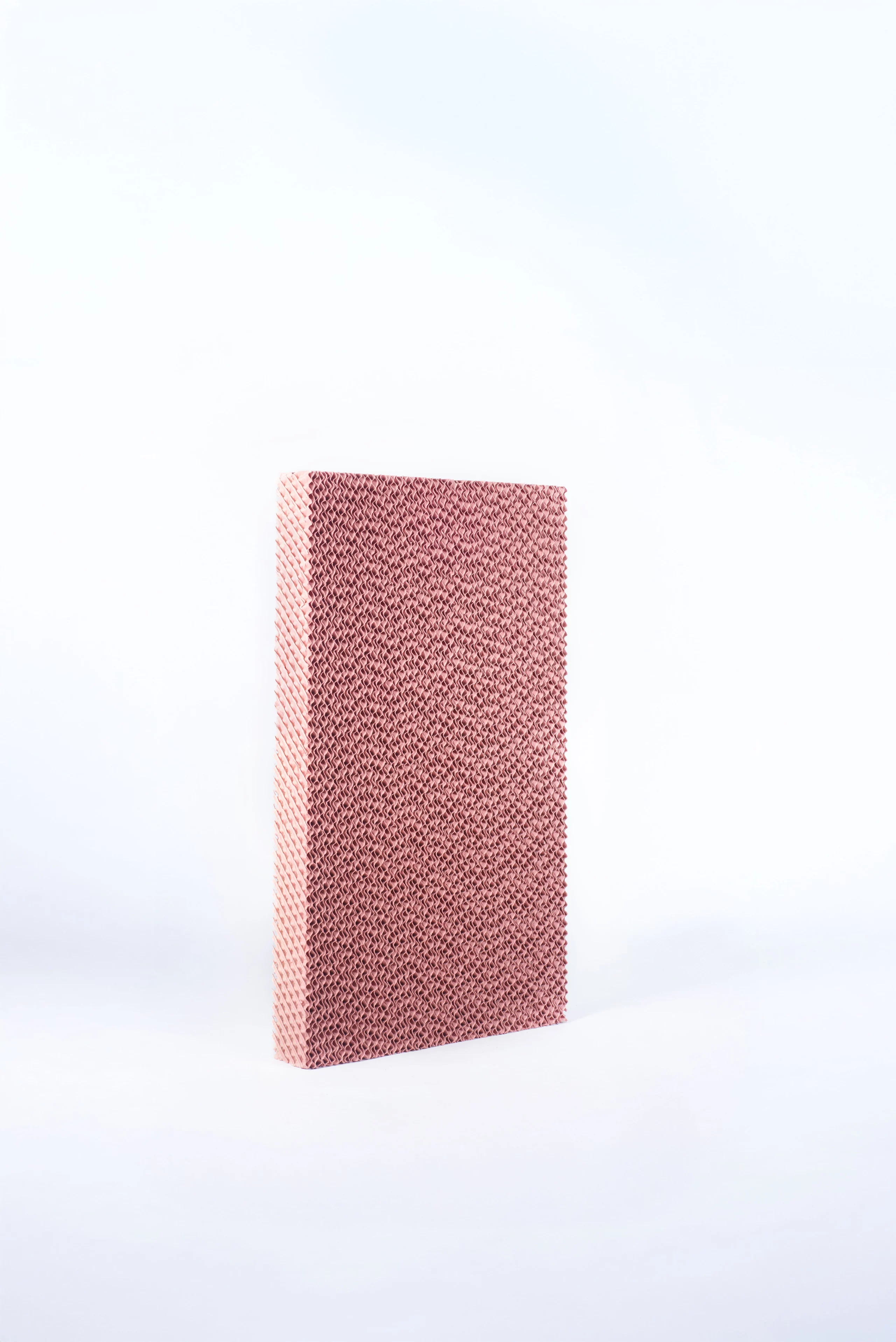
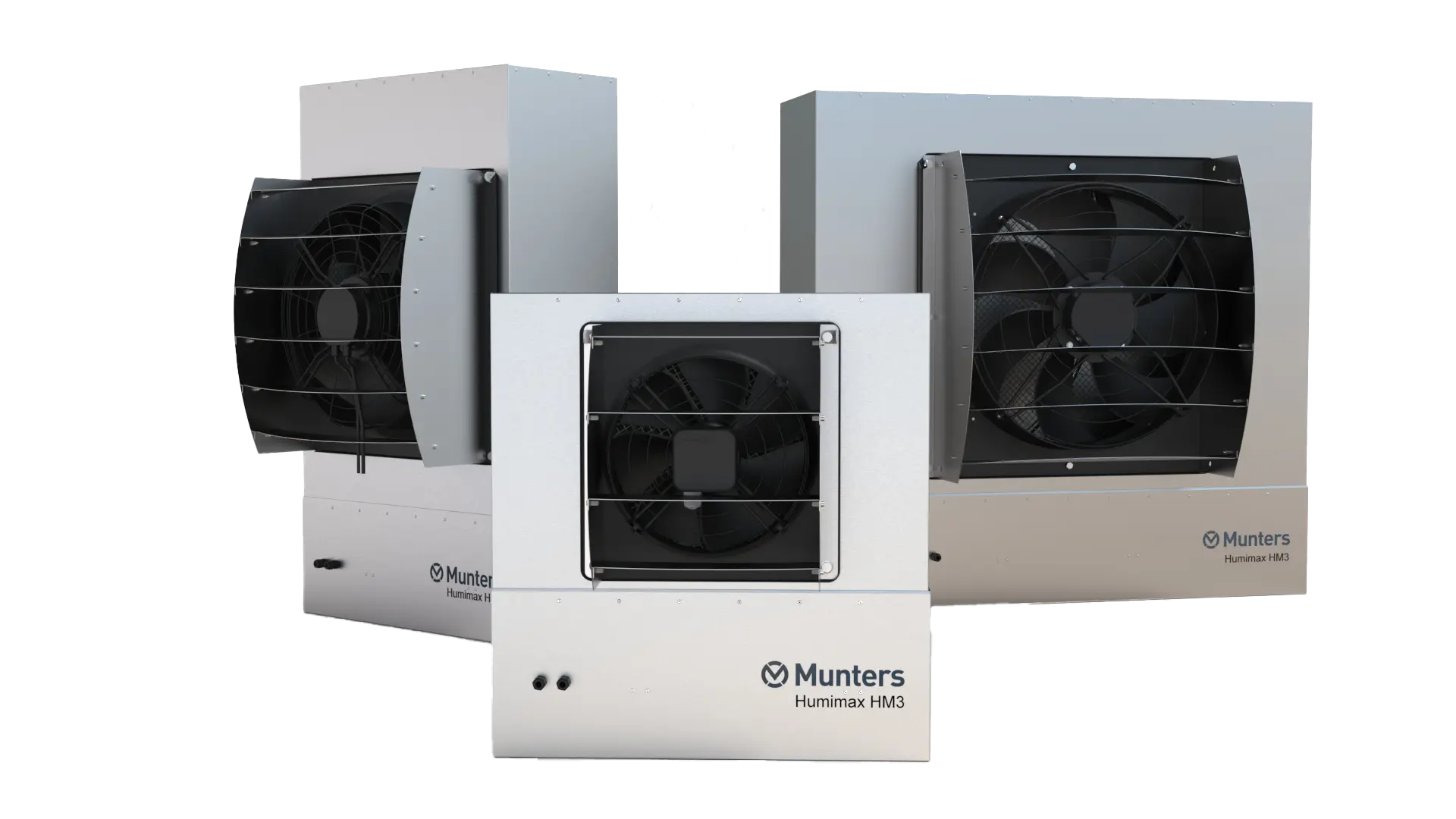
Evaporative humidification and cooling systems use a process which adds water to the air, increasing relative humidity, and lowering the temperature. This will ensure stable and continuous humidity control and reduce energy consumption. Depending on your specific application, the desired objectives can include achieving higher humidity levels or reducing the temperature.
Humidity standards and requirements for museums and art galleries
Museum moisture control is fundamental for preserving priceless artifacts, collections, and artworks. Exposure to moisture poses specific risks to museum collections, including potential damage to artifacts, accelerated deterioration, and increased vulnerability to mold and corrosion. By selecting the right indoor climate control solution, conservators, curators and other museum professionals can consistently secure the most appropriate conditions for each collection.
Regulatory requirements
Most governments set museum temperature and humidity standards that museums and galleries must meet. It's important that the humidity control system meets these standards all year round.
Display cabinets
Climate-controlled display cabinets are used by museums to protect moisture-sensitive artifacts. Organic and inorganic materials may require different humidity levels, so having individually controlled display cabinets offers conservators the flexibility to maintain specific areas as required.
Temporary loans
Most governments define indoor climate standards that museums and galleries must meet to borrow and display state-owned collections. These standards are also used by commercial entities and insurance companies to assess the risks related to the loaned collections.
Human comfort
Commercial buildings are often overcooled to reduce humidity, but this can cause an uncomfortable environment, while increasing energy costs. Research also suggests that indoor humidity levels have a large impact on the health of building occupants.
Product highlights for museums and art galleries
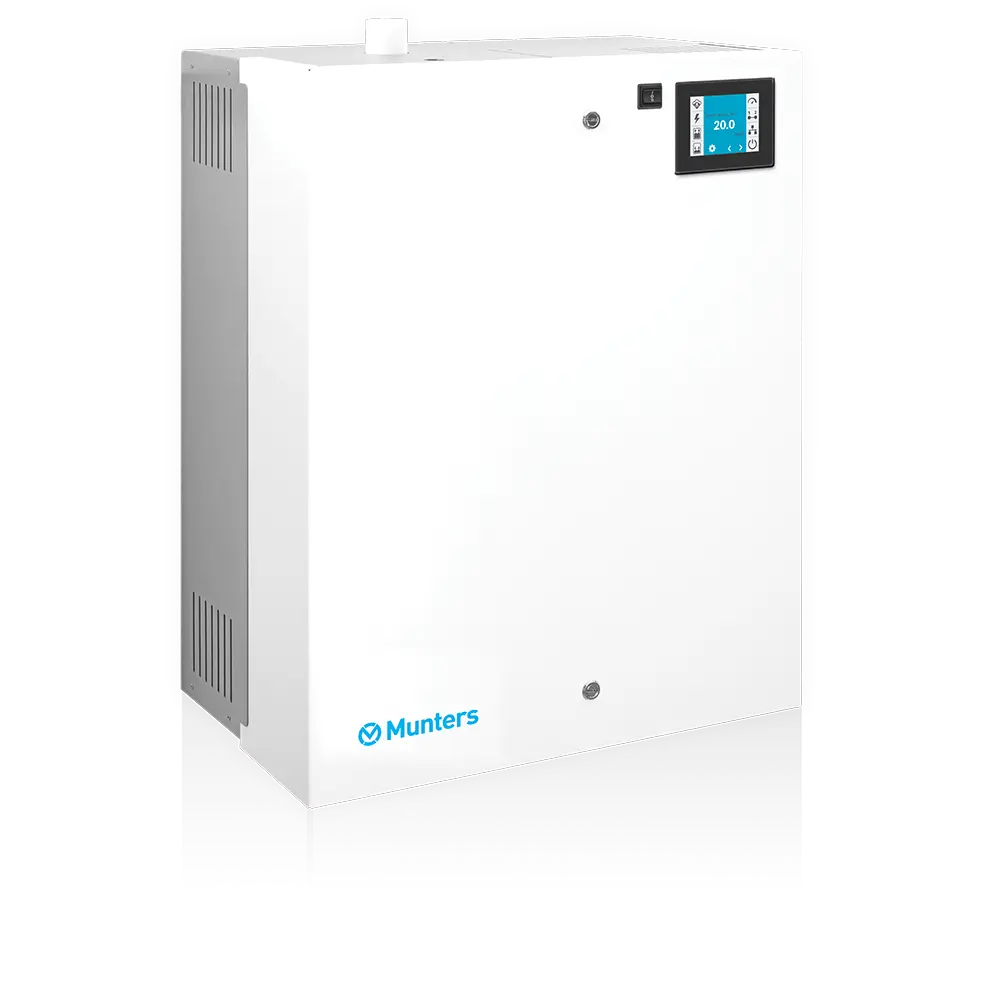
Munters Flexline steam humidifier
Maintain constant relative humidity indoors with the Munters Flexline steam humidifier! With its intelligent and adaptive control, Flexline releases moisture into the air when required, providing optimal humidity levels and air quality using minimal energy. Modular and versatile, the Munters FlexLine is easy to configure, and ideal for museum environments.
- Optimal humidity control
- Increased uptime due to intelligent control
- Easy to install, operate and maintain
- Resource efficient
- Creates a healthier indoor climate
- Reduces indoor air pollution
- Prevents electrostatic discharge

Munters ComDry NX dehumidifier
Munters ComDry NX series are smaller, reliable dehumidifiers with superior drying capacity, lightweight design, and 20% more energy efficient than most competitors. Featuring a plug-and-play control system with a graphic display, powerful drive motor, AirC Wireless connectivity, service alerts, and kWh meter, these dehumidifiers are ideal for museums. Available in Base and Pro options, with the Pro option offering AirC Wireless sensors and wireless remote-control panels.
- Compact and lightweight
- Advanced controller with Modbus
- Humidity and temperature sensor
- kWh and other hour counters
- Energy efficient
- Options for Munters AirC Wireless remote control and sensors

Products for museums, and art galleries


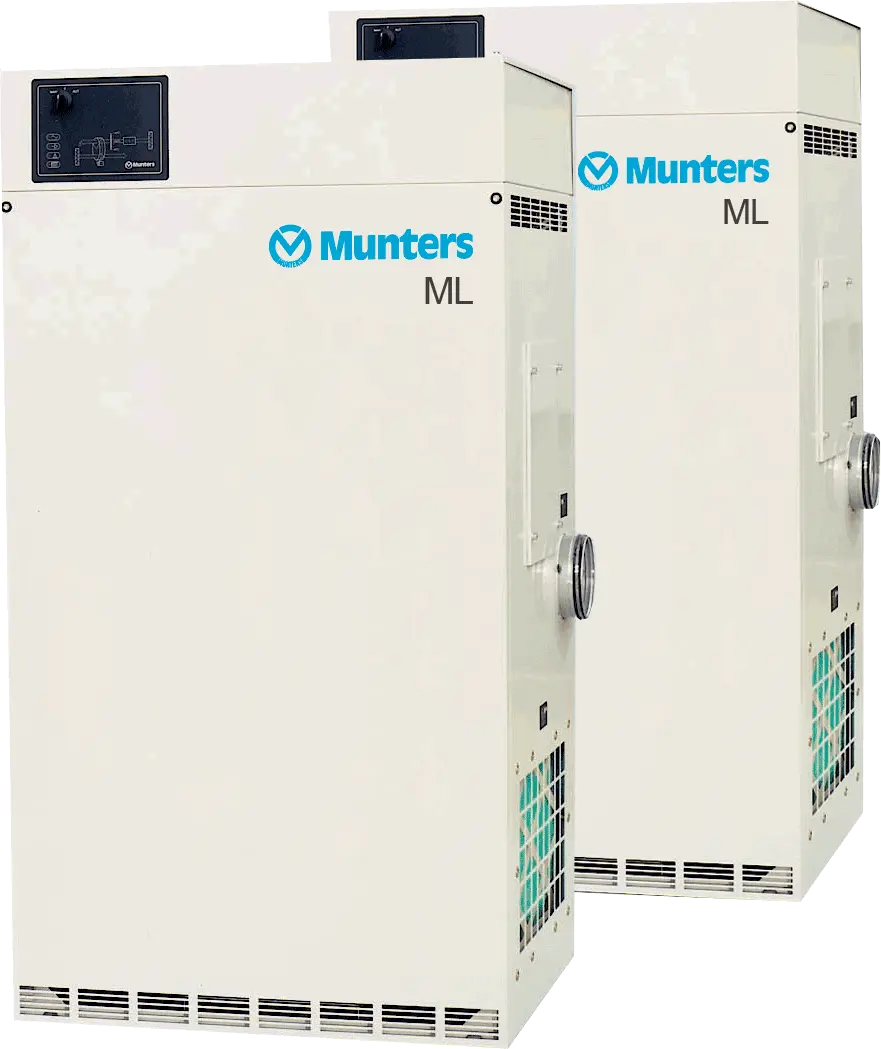


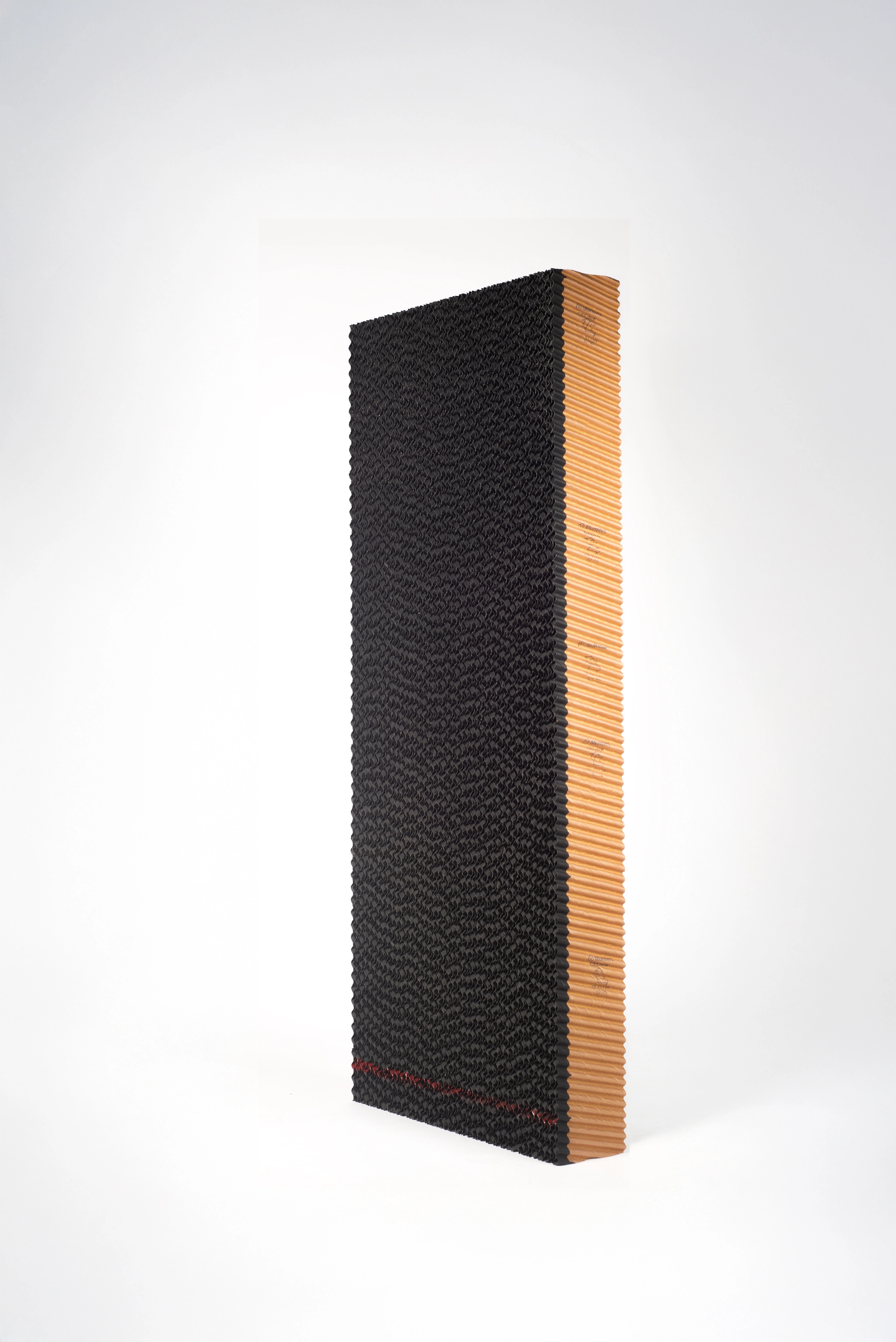


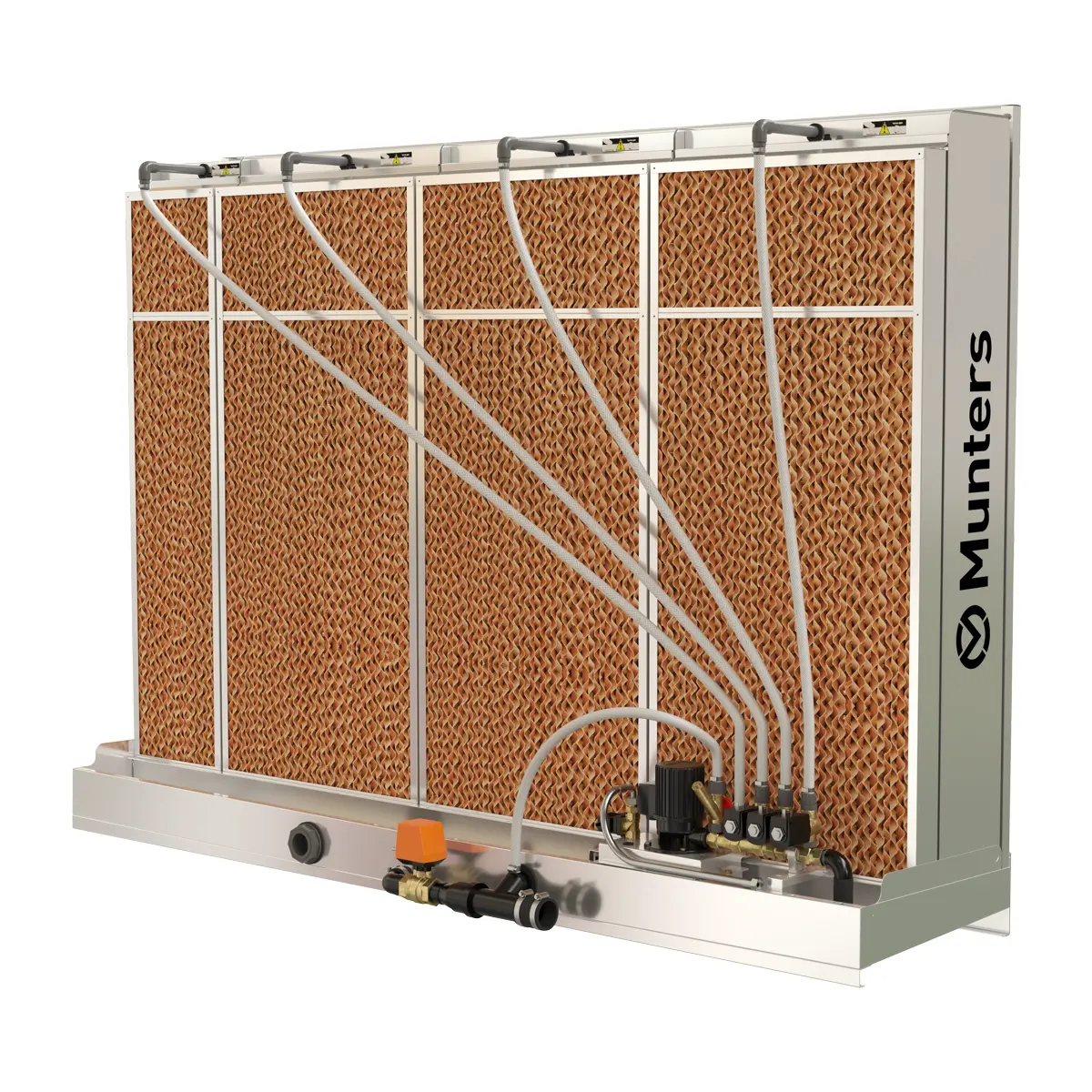
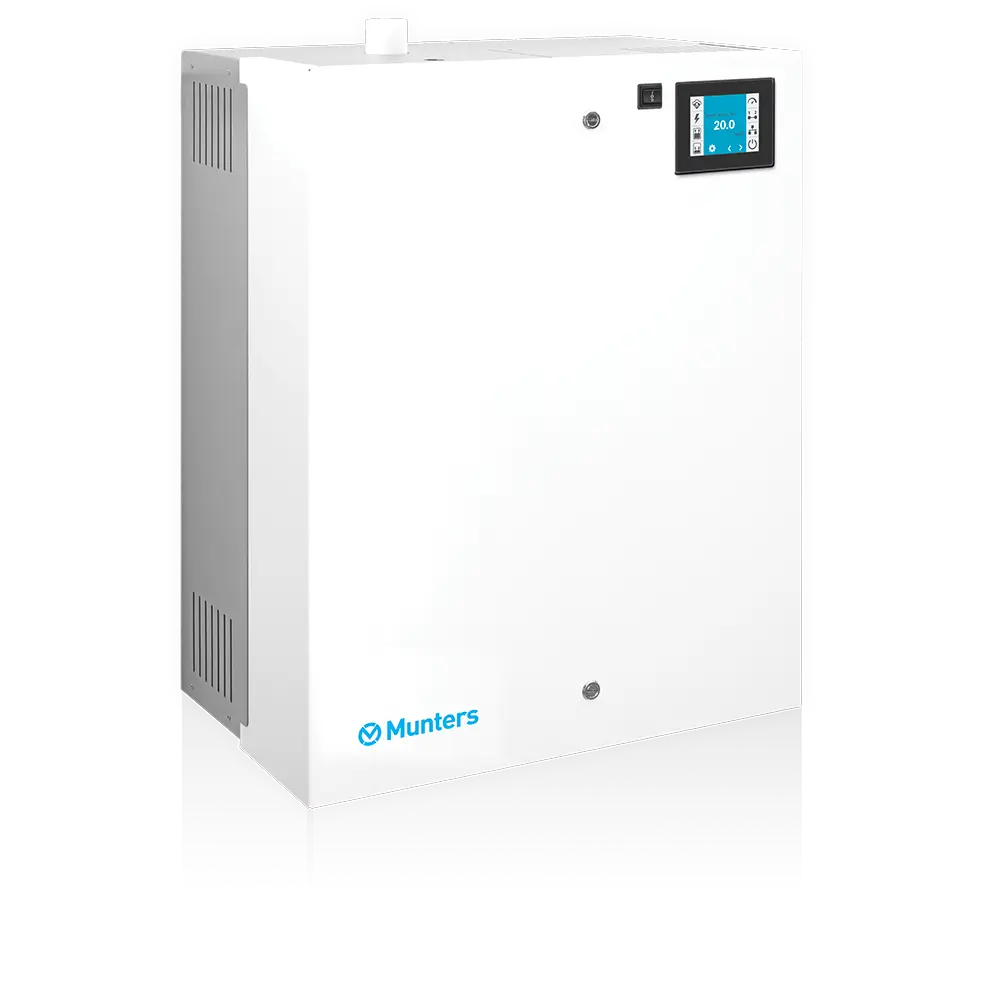

Cases and highlights


Learn more about humidity control in museums & art galleries

Webinar: Preventing moisture damage to collections
Watch the webinar "Preventing moisture damage to collections in museums and archives." Filippo Paggiarin, Training and Development Specialist at Munters, explains why humidity is a risk in museums, how to ensure a comfortable climate for art and for humans, how to prevent mold, corrosion, and pollutants from spreading during storage, and how to optimize energy.
Watch the webinar on-demand today (EN)

White Paper: Controlled climate in archives and museums
A stable and controlled indoor climate provides the primary defense against the most common causes of deterioration in artworks and artifacts. Humidity levels must constantly be maintained within a controlled relative humidity range to prevent swelling and shrinking, chemical reactions, and biodeterioration of valuable assets.
Download our White Paper

White paper: Humidity control in indoor environments
Indoor air quality plays a pivotal role in shaping our health, comfort, and overall well-being. Humidity control is not merely a luxury but a necessity for promoting health, preserving materials, and ensuring optimal functioning of equipment in indoor environments.
Download our white paper
Protect your humidity control solution with Munters Service
Munters equipment is always backed by our world-leading service team. Directly employed by Munters, our team has decades of experience in maintaining climate control systems across many different industries and applications. With a Munters Service Agreement, you can extend your dehumidification and humidification systems life and ensure a healthy and regulatory compliant climate for both your artefacts, and your visitors all year round.