

Energy-efficient humidity control for confectionery manufacturing
For quality confectionery, humidity matters
Confectionery manufacturing is highly sensitive to moisture, affecting everything from raw ingredients to final packaging. The product’s texture, stickiness, softness, color, and overall quality, are all affected by excessive and fluctuating humidity during the production process, causing products to lose textural integrity, quality, and experience a shorter shelf life.
Excessive humidity affects all types of confectionery, from hard sweets, sugar drops, and jellies to chocolate, cookies, and popcorn. This degradation of quality happens because confectionery products are hygroscopic, which means they absorb moisture. When moisture from the air combines with sugar, it results in a decline in both texture and appearance.
Uncontrolled humidity in the production facilities may lead to the spread of bacteria and mold growth, as well as excessive energy consumption. Condensation prevents drying at low temperatures, which results in increased energy consumption.
What you risk with uncontrolled humidity is driving your energy costs higher, turning your soft sweets hard, or your crispy coatings soft.
With uncontrolled humidity you risk:
- Sugar or fat bloom in the production of chocolate
- Uneven coating and clumping
- Condensation which can cause stickiness during production
- Mold and bacteria growth in your facility
- Increased costs due to process complications and wasted products
- Excessive energy consumption

“We’ve got a significant productivity boost, in addition to energy savings amounting to around five million kWh annually. The quality of our chocolate lenses improved because the colors are better when chocolate lenses are dried and polished with dehumidified air instead of heated air. So, the product has gained added value on top of a huge energy savings.”
Kent Egsgaard, Facility Manager
Carletti
Different requirements for different confectionery
Not all confectionery products reach their optimal quality in the same conditions. During production, storage, and transportation, ambient conditions and humidity levels affect each type of confectionery product in different and unique ways.
Too high relative humidity risks making hard sweets, toffee, jellies, and gummies soft and sticky. Marshmallows and nougats are sensitive to the production environment, and their product structure and texture are at risk if the humidity is not optimal. For coated sweets, such as dragées and pan work, there is a risk of the coated surface cracking if the ambient conditions are not right, while crispy cookies risk softening.
Securing stable and consistent relative humidity at the optimal level in the confectionery manufacturing process is essential to ensure each product's shape, structure, and color. And that it stays crispy, soft, hard, or smooth, from the factory to the sweet-loving consumer.
Optimal humidity levels for confectionery products
- Relative humidity below 50% RH or over 60% RH can cause sugar bloom.
- Hard sweets: Below 35% RH for ideal conditions.
- Cookies: 30% RH to 40% RH is ideal.
- Toffee: Below 35% RH is ideal.
- Jellies and gummies: 30% RH to 40% RH for ideal conditions.
- Marshmallows and nougats: Around 50% during production.
- Dragées and pan work: Around 50% during production.
Chocolate production and quality control: Why humidity matters
In chocolate production, controlling the dew point is often more important than controlling relative humidity alone to minimize product loss. Low and stable humidity conditions help prevent condensation throughout production, cooling, packaging, and storage. By keeping the humidity at an optimal level, you will avoid sugar bloom, fat bloom, mold growth, product rework and unnecessary waste, as well as unplanned production interruptions. Controlled humidity will increase product yield and ensure high-quality chocolate.

Avoid condensation in cooling tunnels
Chocolate must be cooled under carefully controlled conditions to achieve the desired gloss, texture, and structure. Maintaining the optimal low dew point within the cooling tunnel helps prevent condensation and frost formation, avoiding the risk of sugar or fat blooming during the cooling process. Humidity control ensures high product quality and throughput.

Humidity control is critical to chocolate packaging
Keeping an optimal, stable relative humidity at the packaging stage of the chocolate process will help preserve freshness, maintain product quality, reduce the risk of defects, and protect the finished chocolate throughout distribution and storage.

Ideal storage of chocolate
Chocolate should be stored at a relative humidity of 70% RH and a temperature between 17°C and 22°C. Fluctuations of the ambient humidity and temperature should be minimized, to avoid condensation-related damage of the chocolate or its packaging, and maintain product appearance, flavor, texture, and shelf life.
The advantages of desiccant dehumidification for premium sweets
Manufacturing quality confectionery requires precise indoor climate control. That’s why dehumidification is crucial in every stage of the confectionery manufacturing process, from silo to storage. It helps prevent sticking in silos, pipes, and packaging and enhances the quality, appearance, and shelf life of finished products.
- Yield the highest quality sweets and confectionery.
- Maintain ingredient integrity to ensure consistent, final product.
- Shortens the drying time for gelatine sweets, popcorn, and similar products.
- Eliminates clumping and sticking of ingredients during transport and storage.
- Optimizes shelf life and minimizes product waste.
- Munters’ desiccant rotor technology enables up to 30% lower energy consumption.
Our sustainable, energy-smart desiccant dehumidifiers will help you maintain full production speed and optimize throughput at every production step, with less production scrap and waste.
Humidity control for confectionery manufacturing...

1. Transport, unloading & silo storage
Maintain low humidity levels all year round to retain ingredient quality and consistency, and stop ingredient clumping and sticking in the silo and piping—helping you avoid lost time and scrapped ingredients due to mold.

2. Pneumatic transport
Create optimized humidity levels for a pneumatic transport system and prevent clogging and flow limitations, which causes quality issues—ultimately keeping your production process up and running with less waste.

3. Coating machine
Coating processes require low moisture levels for optimal results. Our solutions offer year-round precision and easy adjustments for consistent high-quality confectionery, reduced drying times, and less waste.
...ensures perfect confectionery products and longer shelf life
4. Drying tunnel
Prevent products from becoming sticky by blanketing your drying tunnel with dry air to improve humidity levels for consistent results and improved quality. In addition, you can lower the drying air temperature to improve quality further, reduce energy usage, and lower post-cooling temperatures.
5. Cooling tunnel
Optimize your cooling tunnel’s efficiency by maintaining low dew points and preventing condensation or frost on the coils (for a wide range of coil-temperature settings). This helps ensure that products consistently come out in their ideal conditions quicker and more efficiently.
6. Packaging
Ensure optimal environmental conditions during the packaging for fresh, high-quality products that also feature a longer shelf life. Regardless of ambient air conditions, our solutions provide consistent low temperatures and humidity levels.
7. Storage
Confidently keep humidity levels low when storing products with minimal cooling to prevent reduced product quality. For cold storage, eliminate frost buildup on coils, freezer doors, walls, and products by lowering the moisture levels in the freezer—reducing energy consumption while maintaining precise control.
Learn how to optimize each confectionery process step today!
Highlighted products
Save up to 30% in energy costs with DSS Pro
Confectionery manufacturing requires precise moisture control 24/7 to secure high-quality manufacturing. Desiccant dehumidification can help achieve stable and high-performing results with minimal waste. Earn energy savings of up to 30% with Munters’ DSS Pro dehumidifier.
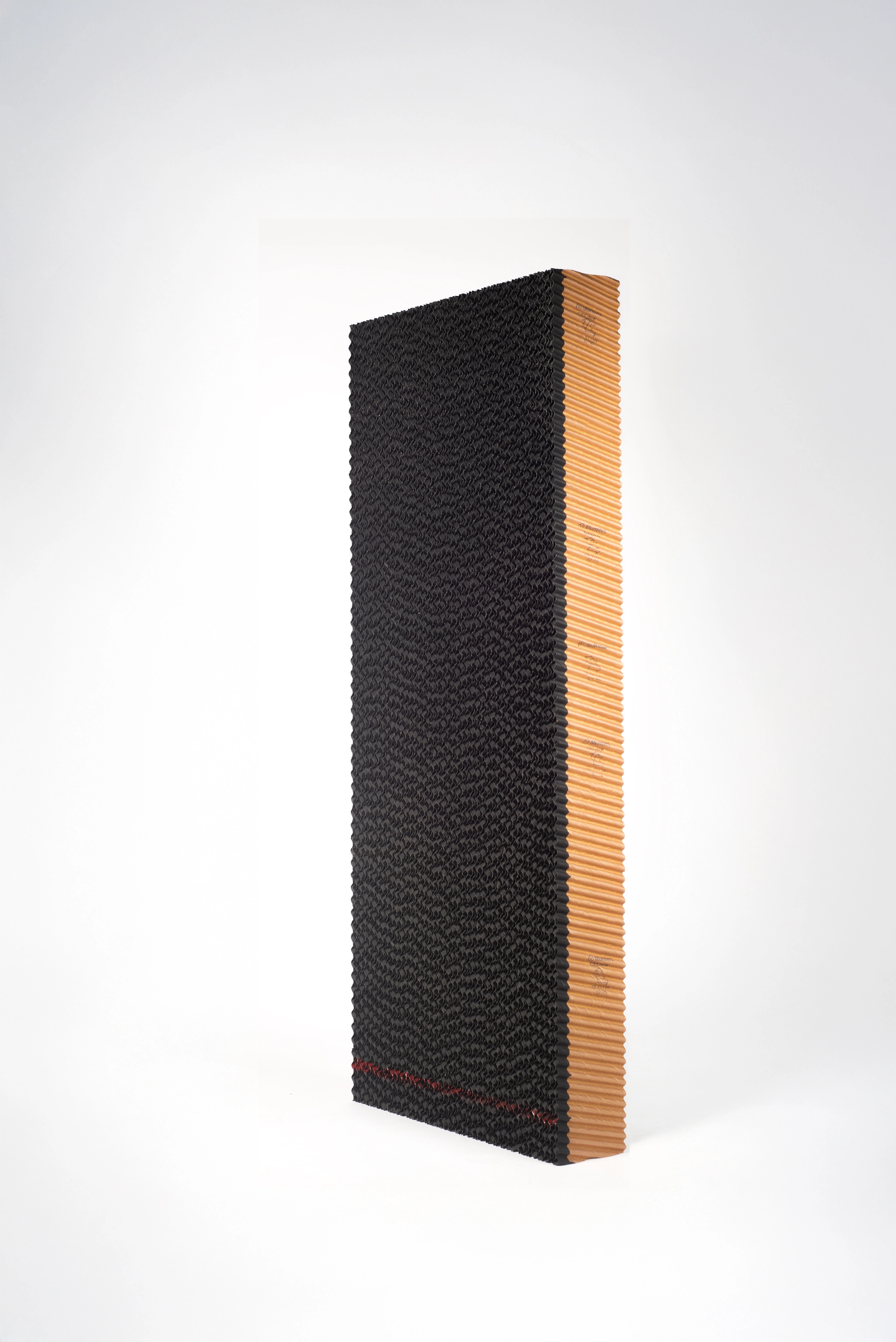
Munters DSS Pro is a fully integrated, modular air treatment solution for precise temperature and humidity control of the most demanding industrial applications. Its highly configurable pre- and/or post treatment modules come pre-assembled, factory-tested and ready for operation.

Secure confectionery manufacturing with MX3
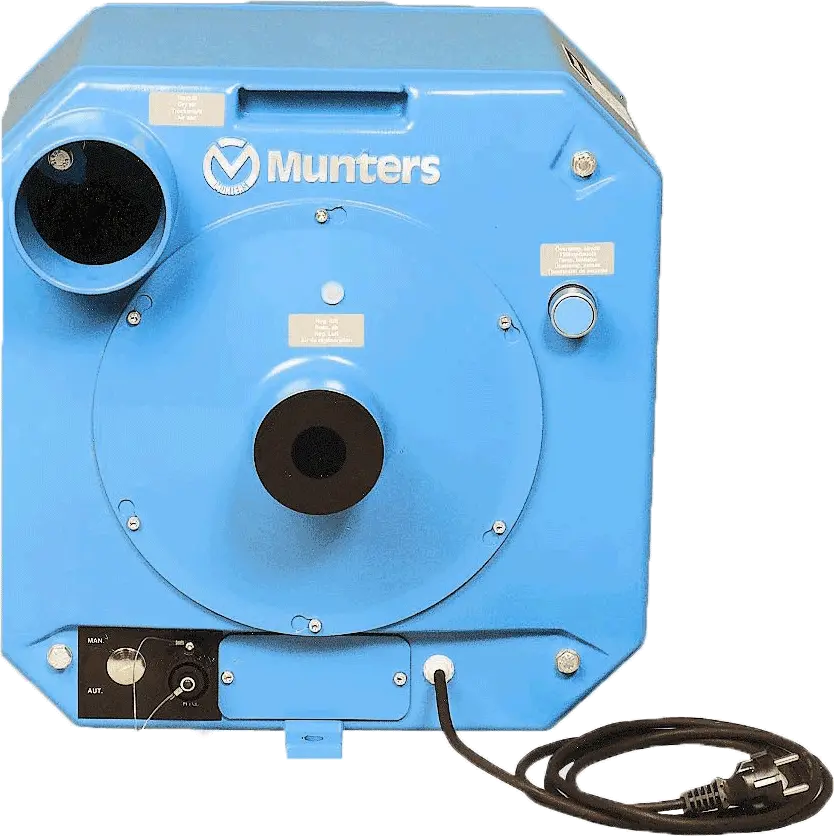
Munters MX3 is a high-performing desiccant dehumidifier built for the most demanding applications. With 15–20% improved energy efficiency over the previous model, the MX3 combines powerful dehumidification capacity and reduced energy consumption in a compact, corrosion-resistant design.
The MX3 can be installed as a standalone dehumidifier or as the centerpiece of the highly customizable air treatment solution MX3 PLUS. Premium desiccant rotor technology secures long-lasting operation with high moisture adsorption capacity, and the advanced integrated control and communication system provides intelligent, energy-efficient humidity and temperature control, ensuring reliable, consistent performance.

Products - Confectionary









Learn more about optimizing your confectionery manufacturing

Brochure: Make irresistible confectionery
Humidity control is critical in the processing of confectionery products that are manufactured with hygroscopic materials sensitive to high moisture levels. Munters offers air treatment solutions to reduce the effects of moisture in the transport of raw materials, throughout the production process, and in the packaging and storing of confectionery products.
Read brochure

White paper: Optimizing confectionery production with dehumidification
By leveraging advanced dehumidification technologies, manufacturers can ensure consistent product quality, streamline operations, and comply with regulatory requirements. Effective humidity management not only improves energy efficiency but also contributes to sustainability and business success.
Download the white paper

Webinar: Every cocoa bean counts
With the increase of cocoa bean prices and other confectionery ingredients, evaluating whether your process and storage facilities are up to the task is critical. Minimizing production waste due to poor humidity control is more important than ever. Are production and storage losses affecting the prices you pass on to your customers? Join our on-demand confectionery webinar, where Martin Ginty, Market Intelligence Manager for Food Production at Munters, will discuss the importance of maintaining an optimal indoor climate during ingredient storage.
View the webinar on-demand
Service Agreement to maintain uninterrupted operation
Confectionery manufacturing can be anything but predictable. That’s why we offer Munters Service Agreement to ensure proactive, preventive maintenance, helping you to maintain uninterrupted operation with minimal disruption. With planned, regular maintenance of your industrial dehumidification system, your production line will run smoothly, ensure high-quality products, while minimizing energy consumption.
Frequently Asked Questions about confectionery manufacturing
Because confectionery products are highly sensitive to moisture, excess humidity can cause these products to absorb water. This results in products that are sticky or grainy; sugar blooms developing on chocolate, soft cookies, and softened candies/sweets. Sugar is hygroscopic, and it sucks in moisture from the air when humidity is high. Sugars can then crystallize improperly, and flavors can degrade in this situation.
Yes. Many confectionery processes require low humidity levels to properly dry. If the air is too humid, coatings dry slowly or not at all (resulting in sticky or uneven coatings). With precision humidity control, you can adjust the humidity to ideal levels for each product. This results in less waste from defective products, lower energy usage, and improved uniformity and yield.
To preserve freshness and maximize shelf life, a cool and dry environment is ideal for packaging and storage. If there’s high humidity during packaging, products can degrade or experience microbial growth. Humidity control ensures product quality is maintained and prevents sticking in production, wrapping, and packaging - extending the shelf life of finished products - helping you avoid scrapped ingredients or wasted product.
When exposed to higher levels of humidity during transport or silo storage, ingredients such as sugar, flour, and gelatin can clump and spoil when exposed to humidity. Precision humidity control enables you to eliminate clumping to allow ingredients to flow freely, helping to avoid material blockages, prevent inventory loss, and stop mold growth. In other words, controlling humidity ensures smooth transport of ingredients with less downtime.
Munters offers tailored humidity control solutions that are designed specifically to address the needs of any confectionery facility - whether you’re making chocolate, gummies, cookies, or popcorn. We work closely with you through a complimentary site assessment to design a dehumidification system that fits your process. Through decades of experience in the food industry, our expertise and experience are ready to help you improve product quality, reduce waste, and save energy, ensuring that your confectioneries are irresistible.