

Dehumidification for high-quality meat, pork, and poultry processing
Uncontrolled humidity is a threat to food safety
In meat, pork, poultry and sausage processing, uncontrolled humidity can quickly create conditions that impact product quality and yield, and compromise compliance with food safety standards such as USDA and HACCP.
Excessive moisture levels, such as after wash downs and manual dry outs, can lead to condensation on surfaces, equipment and building structures, increasing the risk of bacterial and mold growth in hygiene-sensitive production areas. Water vapor and moisture ingress also risk impacting meat curing and maturation, packaging, and processing operations, affecting product consistency and quality.
In cold storage, excess moisture contributes to frost, ice build-up, slippery floors and barcode scanning issues, affecting safe movement and day-to-day handling.
Uncontrolled humidity is not just an inconvenience, but it is a direct threat to food safety, operational reliability, and a safe working environment.
Without dehumidification you risk:
- Condensation on products, which can lead to contamination.
- Additional cleaning from excess moisture after washing.
- Product loss from trimming and spoilage.
- More frequent defrosts and maintenance in cold storage.
- Increased energy consumption and downtime.

“Since installing the dehumidification equipment, we have not had to hang plastic or have the usual two people per shift to control condensation. We don´t need to dry the ceilings in the morning following sanitation. We will use this technology in the future to help eliminate condensation.”
Mike Hanson, Complex Manager
Tyson Foods
Challenges posed by excess moisture in meat processing
Excessive moisture should be avoided in meat processing, sausage production, pork processing, and poultry processing facilities, to prevent mist formation and ensure hygiene standards.

Frequent cleaning is a challenge in meat processing
Meat processing facilities require large amounts of water for cleaning. When moisture and condensation is not controlled, processors may face delayed shift restarts after sanitation, extra manual wipe downs, and unplanned production stops. Using dehumidification, our customers often experience a reduced time for dry out after wash downs with around 40%, e.g. from 5 to 3 hours.

Microbial growth and compliance
Mold and bacteria thrive in the wet conditions found in meat processing plants. Once relative humidity exceeds 70%, bacterial growth is more than 22 times greater than at a humidity level of 50%. To comply with USDA and HACCP, condensation must be managed in order prevent contamination.

Product quality, consistency, and waste
Meat quality can be compromised by excessive moisture, causing condensation, spoilage, and inconsistent product appearance. This is true throughout the production process, including in the packaging phase. Effective control of humidity levels helps reduce waste, extend shelf-life, and ensure consistently high-quality products.
Desiccant dehumidification for meat, pork, and poultry processing
To control humidity, dehumidification is critical across the meat processing chain. Munters energy-efficient desiccant dehumidifiers help meat, pork, and poultry processors improve hygiene, protect product quality, reduce waste and ensure operational efficiency at every stage of the process.
- Improve food safety compliance for HACCP-ready environments.
- Increase production uptime with fewer interruptions.
- Reduce product waste and rework.
- Shorten sanitation and defrost cycles.
- Enhance worker safety and conditions.
- Lower energy consumption and operating costs.
Humidity control across the meat processing chain...

1. Slaughter and primary processing
Prevent condensation on ceilings and equipment all year round to improve hygiene and reduce contamination risk in slaughter houses and abattoirs.

2. Cutting and deboning halls
Maintain stable RH to reduce microbial growth and improve operator comfort and productivity.

3. Chilled processing areas
Eliminate condensation at low temperatures and reduce sanitation time between shifts.
...ensures perfect products and operational efficiency
4. Cold storage and blast freezers
Prevent frost build-up on coils and ceilings and educe defrost cycles and energy use.
5. Meat maturation and dry aging
Control humidity to manage fungal growth and reduce trimming loss and ensure consistent quality.
6. Packaging areas
Protect products from contamination and maintain hygiene during final handling.
7. Sanitation and washdown recovery
Dry rooms quickly after cleaning to minimise downtime and avoid microbial growth.
Ready to optimize your meat or poultry processing facility today?
Featured solutions ideal for your meat processing facility
MX3 – Desiccant dehumidifier for meat production
Are you looking for a medium-size dehumidifier for your meat manufactuing factory? Munters MX3 could be what you’re looking for!
The Munters MX3 is a high-performing desiccant dehumidifier built for the most demanding applications. With 15–20% improved energy efficiency over the previous model, the MX3 combines powerful dehumidification capacity and reduced energy consumption in a compact, corrosion-resistant design.
The MX3 is ideal for cutting and processing rooms requiring precise, energy-efficient humidity control and it can be installed as a standalone dehumidifier or as the centerpiece of the highly customizable air treatment solution MX3 PLUS. Premium desiccant rotor technology secures long-lasting operation with high moisture adsorption capacity, energy-efficient humidity and temperature control, ensuring reliable, consistent performance.
DSS Pro – Humidity control for large meat production facilities
Meat, pork, and poultry production requires precise moisture control 24/7 to ensure HACCP requirements. Desiccant dehumidification ensures stable and high-performing results with minimal waste. Earn energy savings of up to 30% with Munters’ DSS Pro or DSS Pro SE dehumidifier.
Munters DSS Pro is a fully integrated, modular air treatment solution for precise temperature and humidity control of the most demanding industrial applications. Its highly configurable pre- and/or post treatment modules come pre-assembled, factory-tested and ready for operation.
Leveraging the same proven modular technology, DSS Pro SE is a streamlined edition of the DSS Pro, consolidating essential components into a single-box design.

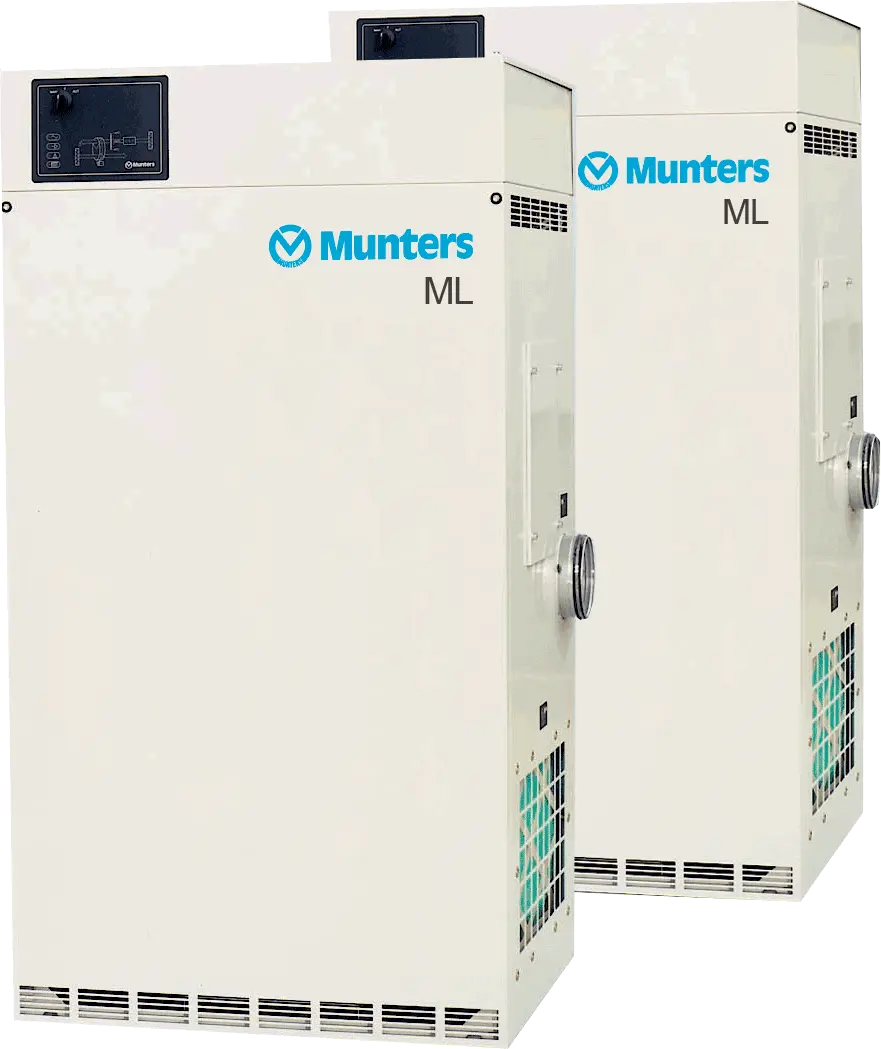
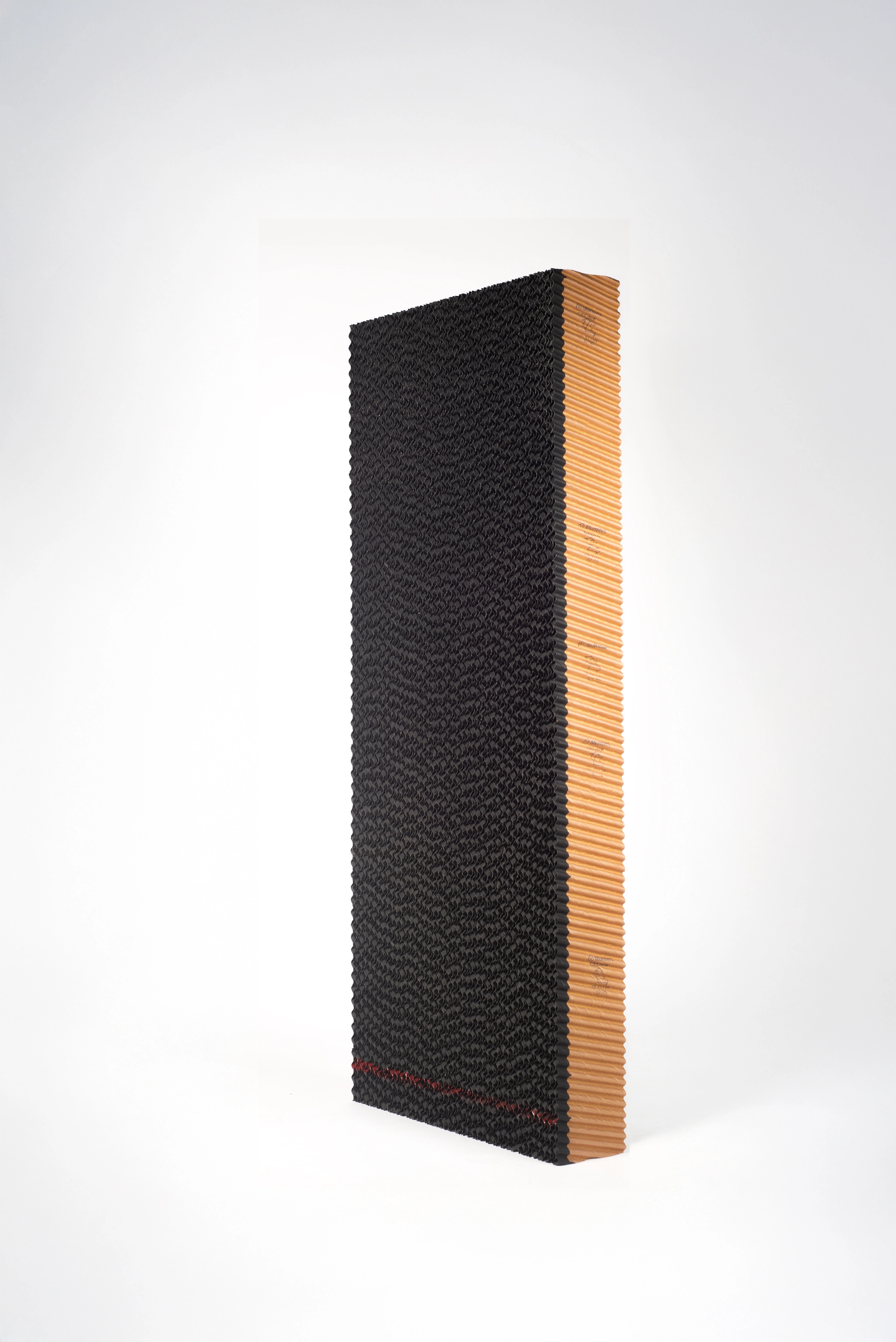
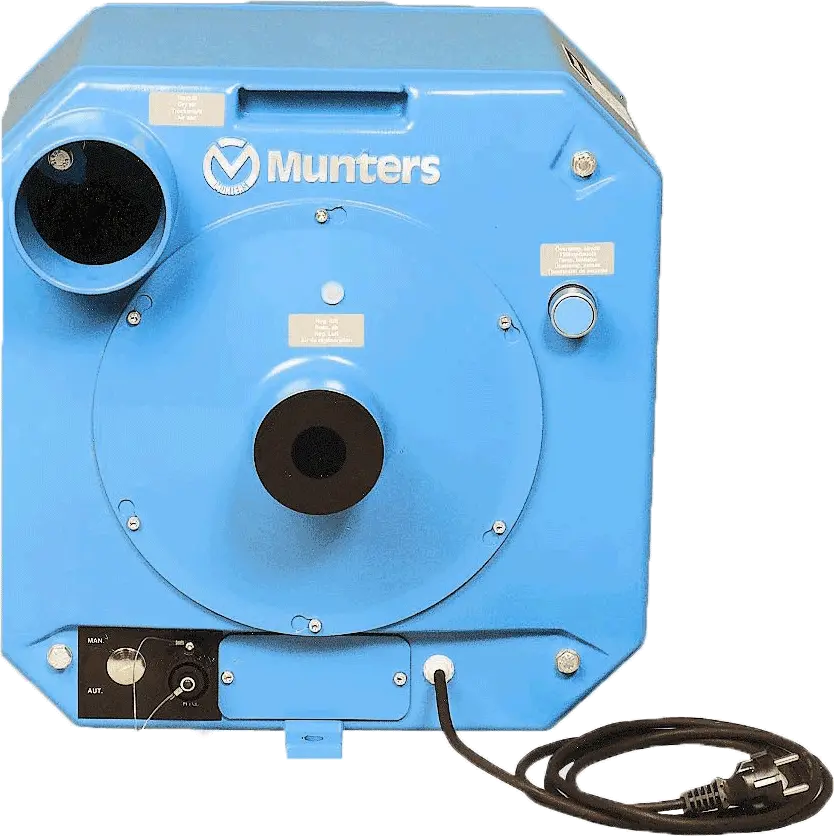
Recommended products for meat, pork, and poultry processors








Learn more about optimizing your meat processing climate

Preventing the spread of bacteria in the food industry
Research has identified an alarming challenge in food processing plants. Even a very small amount of some types of bacteria can cause serious illness in humans and have serious consequences.
Download White Paper

The Role of Dehumidification in Your HACCP Plan
Meat processing plants can be overwhelmed by uncontrolled humidity, which can impact on their production and HACCP process. By adding desiccant dehumidification to your facility, food safety can be improved significantly through the reduction of condensation. A full risk assessment should consider humidity control as part of HACCP to avoid condensation falling onto the animal product.
Read the brochure

Lifecycle support from Munters' Service experts
Munters desiccant dehumidification systems are engineered for the demanding conditions found in meat processing facilities. To keep your equipment operating efficiently and reliably, our service teams provide expert support throughout the full lifecycle of your system from commissioning support and planned maintenance to performance checks, spare parts, and technical assistance.
With Munters service support, meat processors can protect critical production areas, reduce downtime, maintain regulatory compliance, and keep their operations running with confidence. Ask us about our tailored service agreements for your specific application.
Frequently Asked Question about meat, pork, and poultry processing
Humidity control prevents condensation, which can lead to bacterial growth, contamination, and safety risks. It is essential for maintaining hygiene standards and product quality in chilled environments.
Typically, maintaining relative humidity between 40% and 60% helps inhibit microbial growth and reduces condensation risks.
Preventing condensation and keeping humidity in an optimal range are key to food safety compliance. Many microorganisms thrive in humid environments – even if you keep the area cold, high moisture can still allow mold and bacteria to persist. By maintaining relative humidity around 40–60%, Munters dehumidifiers inhibit microbial growth almost entirely and even reduce virus transmission. In practice, this means no water dripping onto meat or packaging, which is a central goal of HACCP plans. Dry ceilings and surfaces translate to a lower risk of Listeria, Salmonella, and other contaminants in your product. With Munters, processors can meet USDA/FDA and HACCP humidity guidelines confidently, knowing that moisture is not creating unseen breeding grounds for pathogens. By lowering dew point and eliminating condensation, dehumidification reduces microbial growth, supports HACCP compliance, and creates a cleaner processing environment.
Absolutely. A lot of production time is lost in meat and poultry plants due to cleaning and defrosting caused by excess moisture. Munters climate solutions tackle that by drying out the processing environment much faster, so you spend less time waiting for rooms to be production-ready after washdown or defrost cycles. For example, instead of staff spending hours squeegeeing floors or wiping down condensation from overhead structures, a Munters dehumidifier will remove that moisture overnight. This means shorter sanitation cycles and quicker shift restarts. It also means fewer unplanned stops – without wet surfaces, there’s less need to halt production to address safety hazards or clean contamination. In short, controlling humidity helps keep your lines running smoothly, thereby increasing throughput and overall plant efficiency. Lowers energy consumption and minimizes product waste, while improving overall plant efficiency.
Cold storage areas in meat processing are very prone to humidity issues. When warm, moist air infiltrates a cold room (say through open doors or during loading), it condenses and can freeze, leading to frost buildup on coils, ceilings, and product packaging. This not only creates slip hazards and makes cleaning harder, but melting ice or pooled water can drip onto meat, causing bacterial growth and spoilage. The best way to avoid these issues is to remove moisture before it enters or condenses in the cold room. Munters dehumidifiers do exactly that: they dry the air (often by sending dry air toward the ceiling and doors), thus preventing condensation and ice formation from the start. The result is a safer, more efficient cold storage with no ice on floors or equipment, less frequent defrosting needed, and better protection of your refrigerated products. In fact, plants that add Munters dehumidification in their chill rooms and freezers find that both product quality and employee safety improve markedly, while downtime for maintenance drops.
Munters combines advanced technology with industry expertise to deliver superior solutions for food processing facilities. First, our desiccant rotor technology is the gold standard for high-performance dehumidification – it removes moisture to the low humidity levels that meat and poultry processes require, far more efficiently than standard HVAC or cooling alone. Munters rotors are uniquely engineered to absorb more water and perform more consistently than others, resulting in higher energy efficiency, a smaller equipment footprint, and lower operating costs for you. Second, we understand food industry needs: Munters has decades of experience and offers customized designs to fit each plant’s layout and climate challenges. We can conduct a site review and then tailor a solution that ensures you maintain strict hygiene (GMP/HACCP compliance), save energy, and increase throughput. In summary, Munters dehumidifiers are built to excel in meat and poultry environments – providing reliable, precise humidity control that protects your product and processes, backed by a team that knows your industry inside-out.