“We need policy and investment models that reward long-term value”
Nov 22, 2026
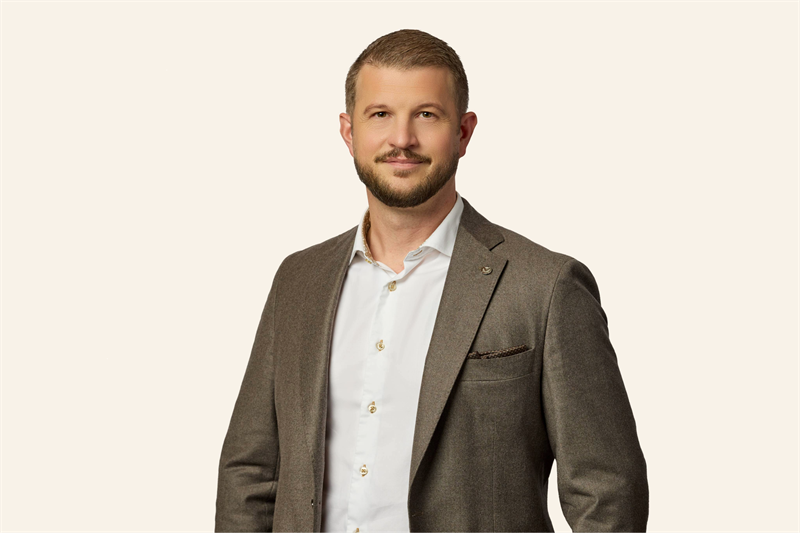
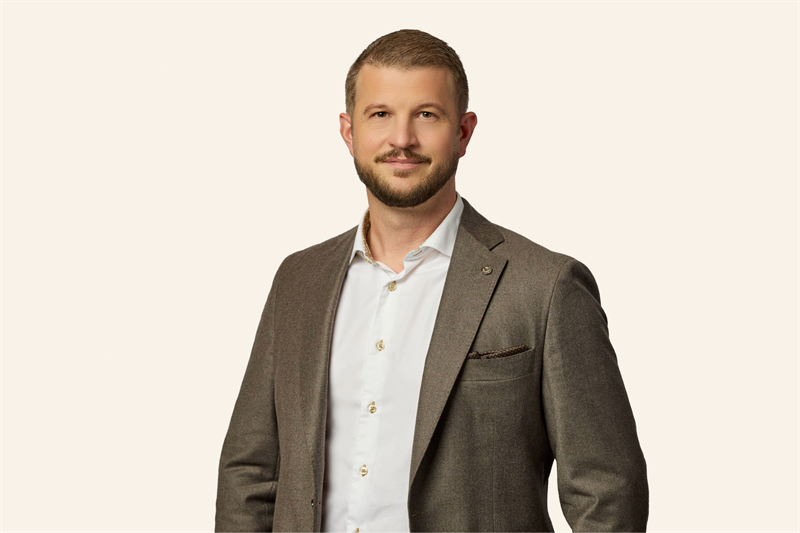
Governments, businesses, and organizations are gathered at COP31 in Türkiye for two weeks of discussions on how to accelerate climate action. As part of Sweden's non-negotiating delegation to the conference, Andréa Haag, Vice President Sustainability at Munters, called for investment models and policies that reward the value products create over their entire lifespan. Such models, she argues, can generate demand for better, more sustainable solutions and help proven technologies scale.
Participating in the panel discussion "From Climate Commitments to Investable Solutions", hosted by We Don’t Have Time during COP31, Andrea Haag joined sustainability leaders from SKF and Investor AB to discuss what is needed to unlock investment and accelerate the adoption of green technologies.
One example Andrea Haag highlighted was energy- and water-efficient cooling for data centers. As digital infrastructure continues to expand, efficient cooling can play an important role in reducing resource use, freeing up capacity, and minimizing the impact on surrounding communities. The technologies are available and increasingly being used, she stressed. However, wider adoption can be held back by infrastructure constraints and investment decisions that do not sufficiently reward long-term value for industry and society.
Looking beyond the initial investment
A recurring theme during the discussion was the need to look beyond upfront costs and understand the full business case for investing in more efficient technology.
Andrea Haag pointed out that industrial equipment can remain in operation for 8, 10, 20, or even 30 years. Over that timeframe, factors such as energy efficiency, operating costs, emissions, service, and maintenance can significantly affect the overall value of an investment.
“When our customers understand what they stand to gain over time in terms of lower emissions and costs from a lifetime perspective, that's when the coin drops.”
No one wants to make a bad business decision, Andrea Haag argued. But whether an investment makes business sense can look very different depending on whether the time horizon is one or two years, five years, or considerably longer. Procurement and investment models, therefore, need to better reward lifetime value.
This perspective was echoed by the other panelists. Sofia Jonsson, Head of Sustainability at Investor AB, highlighted that sustainable solutions are more likely to scale when the economics work and the transition is linked to a company's overall strategy, competitiveness, resilience, and customer value.
Creating demand through policy
However, better investment models alone will not be enough. The panelists also emphasized the importance of clear and predictable policy to create demand and give companies the confidence to make long-term investments.
Carbon pricing and public procurement were highlighted as important tools, alongside the need to move incentives away from fossil-based technologies and toward smarter, lower-carbon solutions.
“We need to know carbon pricing will be there for the long term,” Sofie Runius Cederberg, Head of Group Sustainability at SKF, said. “This will give us the incentives to put requirements in sourcing decisions that we don't accept solutions that are based on fossil fuels.”
Andrea Haag also stressed the importance of making energy efficiency a stronger investment principle. She pointed to developments in the EU Energy Efficiency Directive as an example of how policy can give greater weight to lifecycle energy and resource performance.
“If policy continues to reward lifecycle energy and resource performance, that would really help us. That would create the demand for better solutions.”
Find out how we are making our products and operations more resource-efficient.